
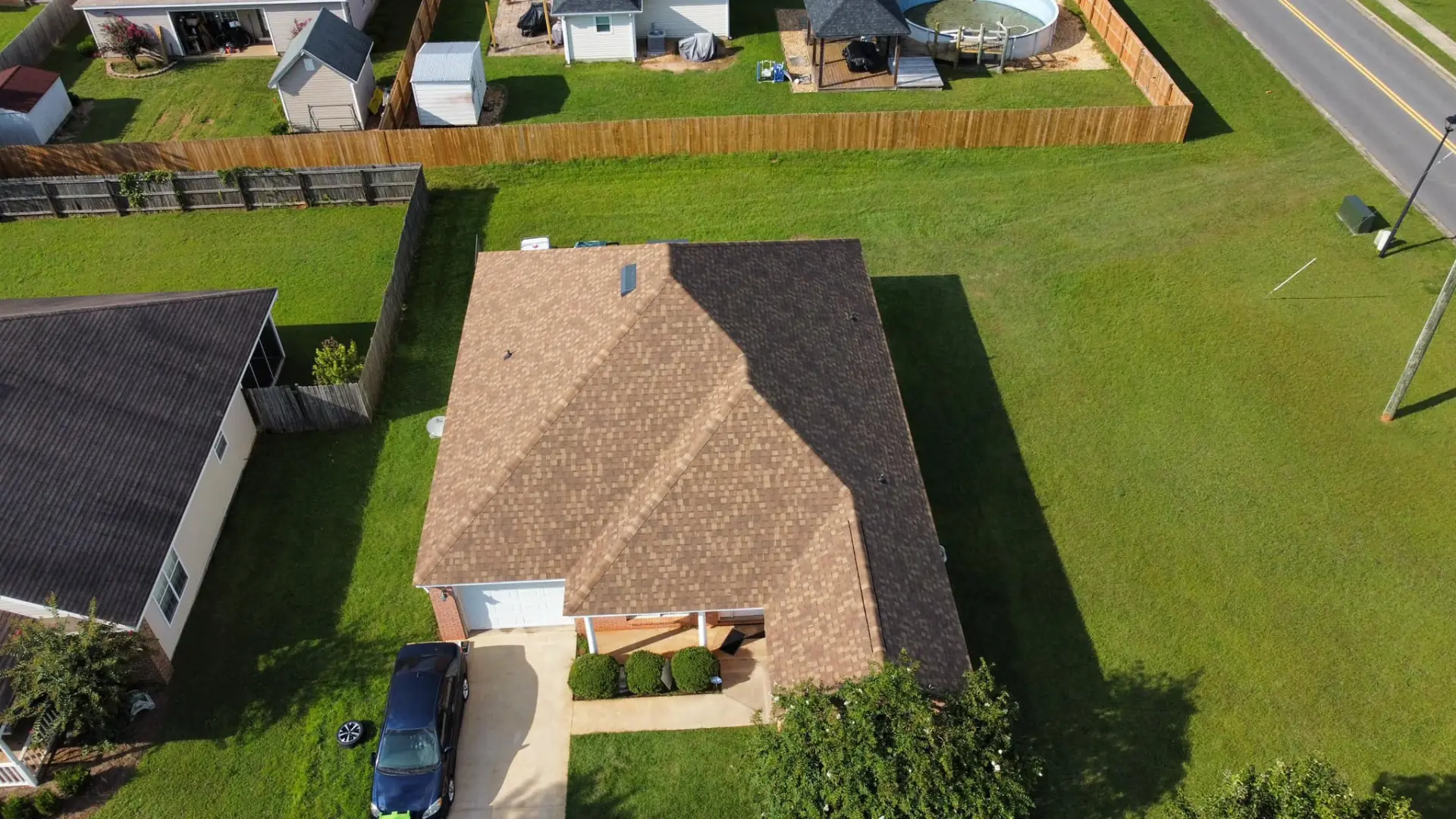
Hail Damage Roof Repair in Security-Widefield, CO
Hail damage roof repair in Security-Widefield, CO. Bruising you can't see from the driveway, documented for your insurance claim. Free inspection after any storm.
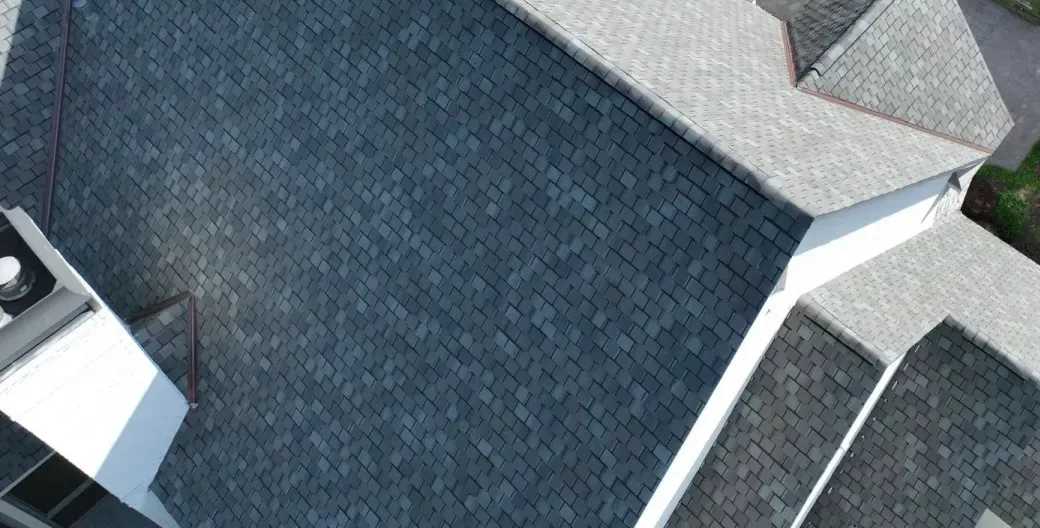
Hail rarely leaves a hole you can point to. What it leaves on an asphalt shingle is a bruise: a spot where the impact drove the granules into the mat underneath and the mat took the hit. From the driveway it looks like nothing happened. The metal up there tells the story sooner, because vents, flashing, gutters and ductwork dent at hail sizes a shingle can hide, and those dents are often what confirms for an adjuster what the storm actually dropped.
Security-Widefield sits in the Front Range hail corridor, and a lot of its roofs were already old when the last storm crossed them, which makes the assessment worth getting right the first time. The inspection is free, the finding comes back in photographs and writing, and it's yours to keep whether or not a claim ever comes of it.
We assess the damage, document what we find in writing, and tell you honestly whether it needs work.
Book a free inspection (719) 600-7852The damage you can't see from the ground
A bruise fails on a delay. The crushed spot sheds its remaining granules over the following weeks, high-altitude UV goes to work on the exposed mat, and the crack that finally lets water through can arrive months after the storm. On the older coverings common across Security and Widefield the sequence runs faster, because asphalt the sun has already dried out has little flex left to absorb an impact in the first place.
That delay is exactly why the first days matter more than the first leak. Insurers limit how long you have to file, and the clock runs from the storm, not from the day water shows up inside. Waiting to see whether the roof leaks is the most common way a covered loss turns into an out-of-pocket roof.
- Free inspection after any storm that drops hail on this side of the county
- Bruising, granule loss and cracked shingles photographed close up, slope by slope
- Dents in vents, gutters, flashing and ductwork recorded as supporting evidence
- Storm damage separated in writing from ordinary wear, so the claim argues cleanly
- Same-day tarping when a stone, or the wind that came with it, opened the roof
Get the inspection before you file. A claim opened before anyone has been on the roof sits on your record even if it goes nowhere, and it starts the process on the insurer's photographs instead of yours. The better order is simple: we inspect, we document, and you file only if the finding supports it, with the evidence already in hand.
Hail also brings crews into the area. The ones to be careful with knock the same afternoon, want a signature on the porch, and are gone before the workmanship shows its first problem. Don't sign anything at the door. A contract worth signing today is still worth signing tomorrow, after you've read it at the kitchen table and checked that the company existed before the storm did.
While you wait, photograph what you can safely see from the ground, note the date, and stay off the roof itself. Bruised shingles are fragile underfoot, and footsteps on a freshly hit slope add damage of a kind no claim covers.
How the claim runs, start to finish
Documentation decides claims. We photograph bruising and granule loss across every slope, record each dent in the soft metal, and note pre-existing wear separately, because a scope built on clear evidence is hard to cut down and an adjuster can only approve what somebody showed them. On an older roof that separation carries most of the weight, since the covering's age will be raised whether or not anyone prepared for it.
Then we meet the adjuster on the roof rather than letting the file speak for itself. Walking the same slopes together is how the scope of loss ends up reflecting what is actually up there, and if the first scope misses something, the photographs give the supplement a factual footing instead of an argument.
If the storm ends the roof rather than wounding it, replacement is the moment to consider Class 4 impact-resistant shingles, built to take the hit that bruises standard material and discounted on premiums by many Colorado carriers. That's a forward-looking decision, not a condition of the claim, and it can wait until the claim itself is settled.
Hail damage repair around Security-Widefield and the Front Range.
The same crew and materials in every town we serve. Start from your own town, or call (719) 600-7852 and skip the reading.
Hail Damage Repair in Security-Widefield: what homeowners ask
The storm was weeks ago and nothing is leaking. Did my roof come through fine?
Not necessarily. Bruised shingles fail over months as the exposed mat weathers, so the leak from a summer storm often arrives long after anyone connects it to the weather, and by then the filing window may already be closed. An inspection now costs nothing and settles the question while a claim is still possible.
Storm chasers are already canvassing my street. Should I sign their paperwork?
Not on the doorstep. Storms pull crews in from far outside the area, and some of the contracts they carry commit you to using them before any insurer has agreed to anything. Take the paperwork inside, read it, and compare it against an inspection from a company you can reach at the same number next year. An offer that expires if you sleep on it wasn't an offer worth having.
Do I have to use the contractor my insurance company recommends?
No. The choice of contractor is yours, and a carrier's preferred-contractor program is an option offered for the carrier's convenience, not an obligation. What matters is that whoever does the work documents it properly, warranties it, and is still reachable when a question comes up long after the claim closes.
Should I file the claim before or after getting the roof inspected?
After. Inspecting first means you file with photographs and a written finding in hand, and you skip filing entirely if the roof took no real damage, which keeps an unnecessary claim off your record. If the finding does support a claim, the same documentation becomes the backbone of the scope of loss.

Free inspections, honest estimates, and no-pressure guidance, from the first inspection to the final nail.