
Hail Damage Roof Repair in Broadmoor, CO
Hail damage roof repair in Broadmoor, CO: cracked tile, bruised shingles and dented metal documented for the claim. Free inspection before you sign anything.
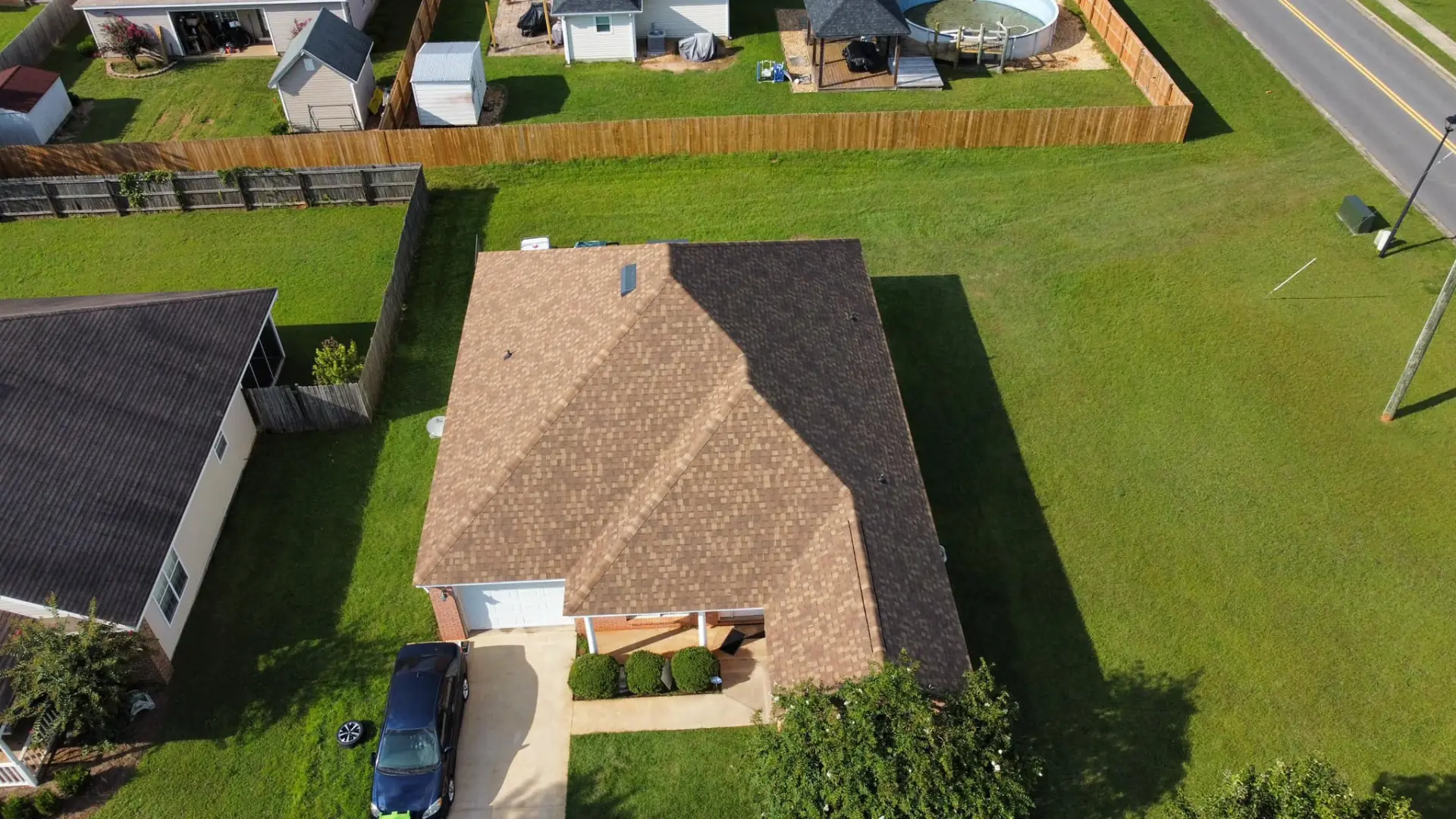
Hail reads differently on every roof in Broadmoor, and this neighborhood has all of them. On asphalt it bruises: granules crush loose and the mat underneath takes a soft spot you cannot see from the ground. On tile and slate it cracks and fractures units without knocking anything out of place, so the roof looks whole from the street while water has a way in. The most honest witnesses are the soft metals, because vents, gutters and flashing dent at the same impacts that damage roofing, and they don't heal.
The days right after the storm decide how the rest goes. Get the roof inspected and photographed before anyone talks you into anything, keep the date of the storm, and be careful with whoever is knocking on doors. Our inspection is free, and the written finding is yours whether it points to a claim or to nothing at all.
We assess the damage, document what we find in writing, and tell you honestly whether it needs work.
Book a free inspection (719) 600-7852What hail actually does up here
A hailstone is a small hammer blow, and what it breaks depends on what it hits. Asphalt loses granules and takes bruises that open the mat to UV, which is why a hailed roof often fails months after the storm rather than during it. Tile and slate take cracks and fractures that stay put. None of it announces itself from a driveway, so the storm's real record is written on the roof and its metals.
Reading that record takes a careful walk on the roof, and on tile and slate the word careful is doing real work, because footwork by someone who doesn't know the material creates the damage it was sent up to find. We document what's there, slope by slope, in photographs an adjuster can work from.
- Bruising and granule loss on asphalt, photographed close enough to show the exposed mat
- Cracked tile and fractured slate found in the field, not guessed at from a ladder
- Dents in vents, gutters and flashing recorded as the storm's corroborating evidence
- Granules washed into gutters and downspouts checked as a secondary sign
- Every slope and detail covered, so the scope reflects the whole roof rather than the easy planes
Hail brings crews that follow storms from town to town, and streets full of tile, slate and shake draw them as surely as any subdivision. The pitch at the door is speed and a free roof. The problem is the paperwork: sign at the door and you may have handed control of your claim to a company with no local address to return to when the work goes wrong. We've made the full case against storm-chasing outfits on our blog, and the short version is that nothing about a hail claim rewards signing on day one.
What the first days should hold instead: note the storm date, photograph what you can safely see from the ground, and book an inspection. Insurers put a limit on how long after a storm you can file, and while that window allows time to do this properly, it is not open-ended. If the storm opened the roof, we tarp it the same day. If it didn't, the documentation sits ready and has cost you nothing.

How the claim goes with us on the roof
The claim rests on documentation, and on this housing stock the documentation has to be material-literate. A bruise on asphalt, a fracture in slate and a crack in tile are three different photographs, and tile and slate carry a higher replacement cost that the scope has to reflect accurately. We inspect first, so that when your adjuster arrives we're on the roof with them, walking the same damage we've already recorded.
The aim is not an inflated scope. It's a scope that matches what is actually up there: the true material, the real extent, the details a fast look misses. Where the storm didn't do enough to justify a claim, the written finding says so plainly, which is worth as much as a payout you didn't need. And if the roof is asphalt and the claim ends in replacement, that's the natural moment to consider Class 4 impact-resistant shingles, so the next storm becomes an inspection rather than another claim.
Hail damage repair around Broadmoor and the Front Range.
The same crew and materials in every town we serve. Start from your own town, or call (719) 600-7852 and skip the reading.
Hail Damage Repair in Broadmoor: what homeowners ask
A crew knocked on my door the day after the storm. Is there any reason to sign with them?
Not on day one, and rarely at all. Door-to-door storm crews work the map behind the weather, and when the season moves on they move with it, which matters when workmanship needs standing behind later. Some door agreements also hand over control of your claim before any inspection has happened. Get an independent written finding first. A legitimate contractor loses nothing by waiting a few days.
The storm dented my gutters and cracked some siding too. Is that part of the same claim?
Usually, yes. Hail works on the whole weather-facing envelope, and the dented gutters, cracked siding and torn screens belong in the same scope as the roof rather than split across separate trades on separate schedules. Those dents also do double duty as evidence, because soft metal records the same impacts the roof took. We document the whole exterior in one visit so nothing gets left out of the scope.
My roof is steep tile. Should I climb up and check it myself?
No. Walking tile without knowing where to step cracks tile, which adds damage and muddies the record of what the storm actually did. From the ground, look at what you can see safely: dents in gutters, downspouts and vents, and granules collecting at the downspout outlets. Leave the field itself to an inspection with the right footwear and fall protection.
The hail didn't look that big from my window. Is an inspection still worth booking?
Size judged from a window is a poor measure of what reached the roof. What settles the question is an inspection, not an impression, and ours is free and produces a written record either way. The risk runs one direction: booking costs you an hour, while waiting can cost the filing window and the clean documentation that comes from inspecting close to the storm date.

Free inspections, honest estimates, and no-pressure guidance, from the first inspection to the final nail.