
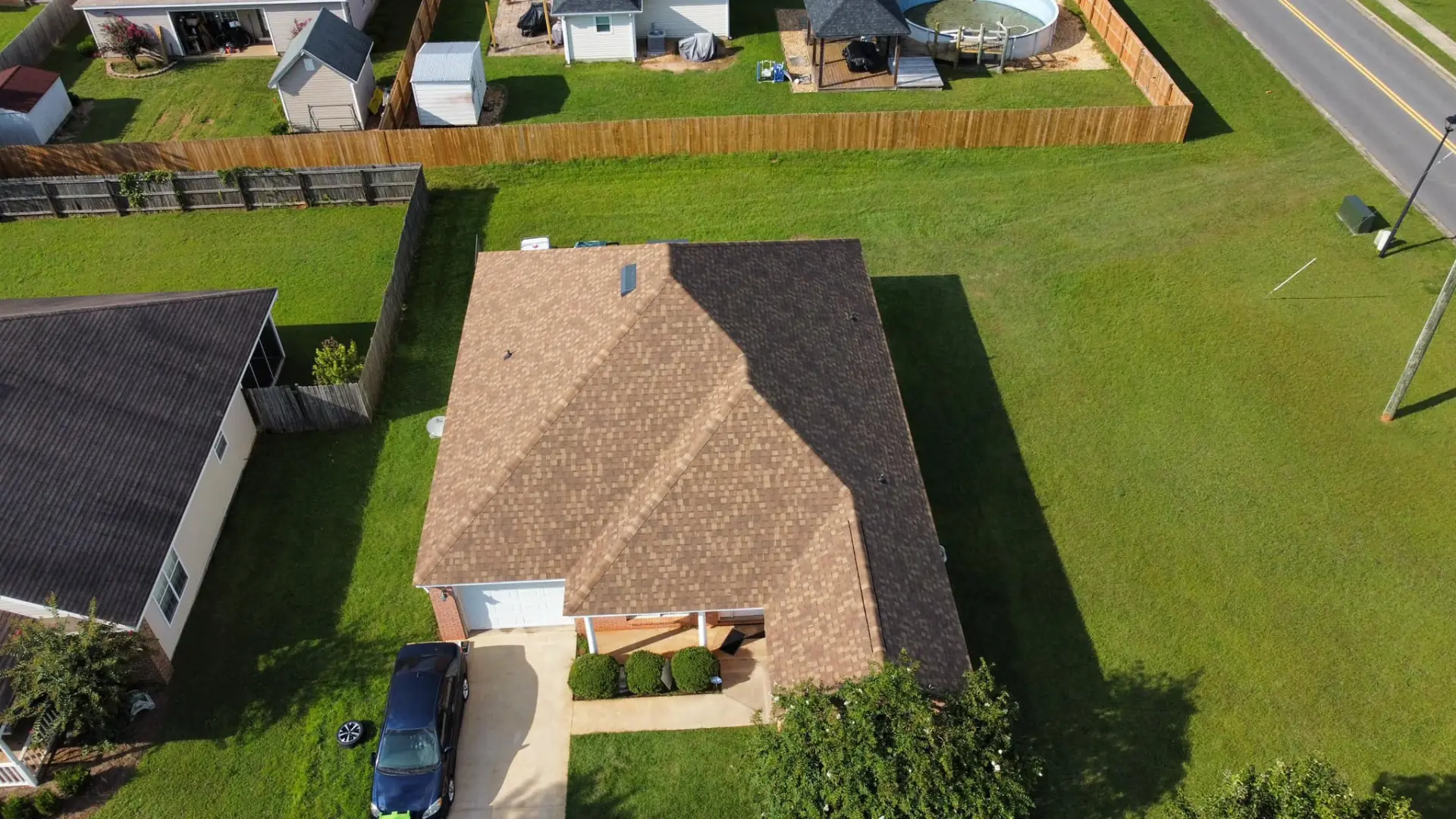
Hail Damage Roof Repair in Castle Rock, CO
Hail damage roof repair in Castle Rock, CO. A bruised shingle keeps shedding water for months before it gives. Free inspection, documentation, adjuster met on the roof.
Castle Rock sits in the part of the Front Range where hail is a matter of when, not whether, often enough that one roof can take two storms inside a decade. What a storm leaves behind is quieter than people expect. Hail doesn't punch holes in an asphalt roof. It bruises it. Granules scatter into the gutters, the mat beneath them takes soft spots, and the shingle keeps doing its job for a season or two before those spots open, which is why so much real damage gets dismissed from the driveway.
What you do in the first days matters more than most homeowners are told. Get the roof documented while the evidence is fresh, keep your signature off any doorstep paperwork, and go to your insurer knowing exactly what's up there. We inspect for free, photograph everything, and if the storm actually opened the roof, tarping is available around the clock.
We assess the damage, document what we find in writing, and tell you honestly whether it needs work.
Book a free inspection (719) 600-7852What hail leaves on a Castle Rock roof
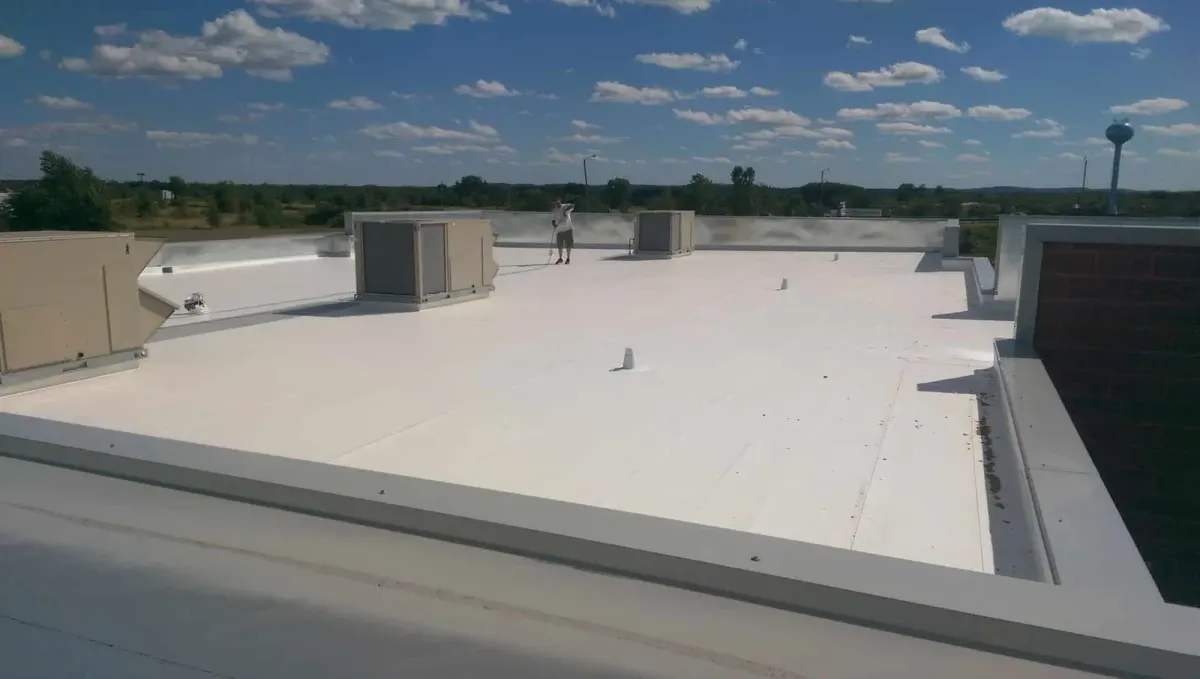
The field damage is bruising: spots where the impact crushed the mat and shook granules loose, exposing asphalt that was never meant to see the sun. From the ground it looks like nothing. Up close it reads as dark marks about the size of the stones that made them, soft under a thumb.
The metal tells the rest of the story. Vents, gutters, downspouts and flashing all take dents, and a dent in soft metal is the easiest damage on the roof for an adjuster to read. Both go into the file, the bruising and the dents, because the metal corroborates what a photograph of a bruise alone might not carry.
- Free post-storm inspection, with the finding in writing whether or not a claim comes of it
- Field bruising and granule loss photographed slope by slope, not just the worst one
- Soft-metal evidence documented: vents, flashing, gutters, downspouts
- Ground-level collateral recorded too: dented gutters, torn window screens, garage doors
- Emergency tarping when a stone or a wind-thrown branch actually opened the roof
Big hail pulls crews from out of state up and down the Front Range, and Douglas County sees more of them than most. Some are legitimate. But a signature on a doorstep agreement can commit your claim to a company you hadn't heard of an hour earlier, and the crews that follow storms leave town when the storms do. We've made this case at length in a post on storm chasers on our blog. The short version: nothing about a hail claim requires a decision made on your porch.
The useful first steps are slower. Have the roof inspected while the evidence is fresh, before weather scrubs loose granules away and the damage stops matching the storm that caused it. Get the finding in writing with photographs. Then decide, on your own schedule, whether what's up there justifies a claim. Insurers do limit how long you have to file, so your schedule isn't indefinite, but it is comfortably days rather than minutes.
If the storm broke through, that one part can't wait. Tarping runs day and night, and your policy expects you to prevent further damage, so covering an opening protects the claim as much as the ceiling under it.
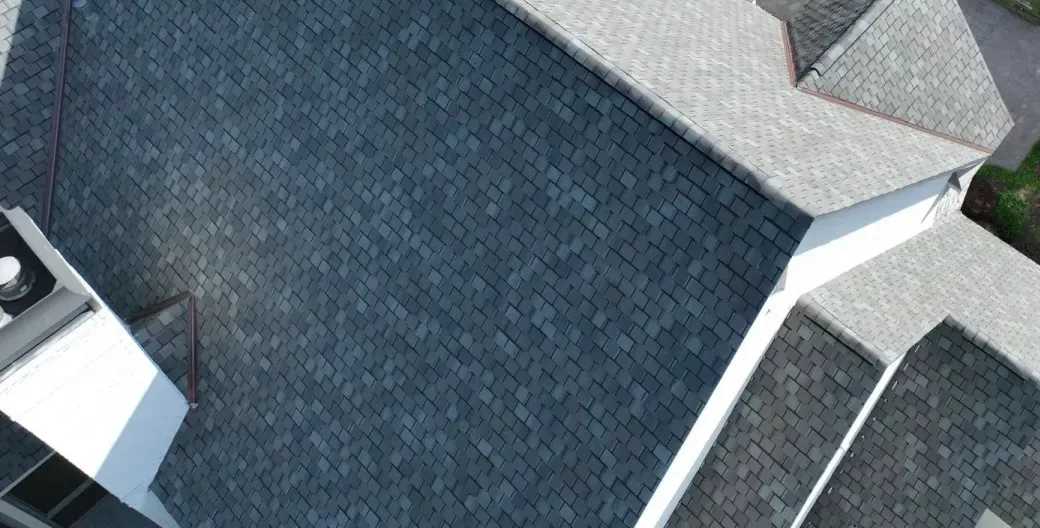
How the claim runs, from inspection to scope
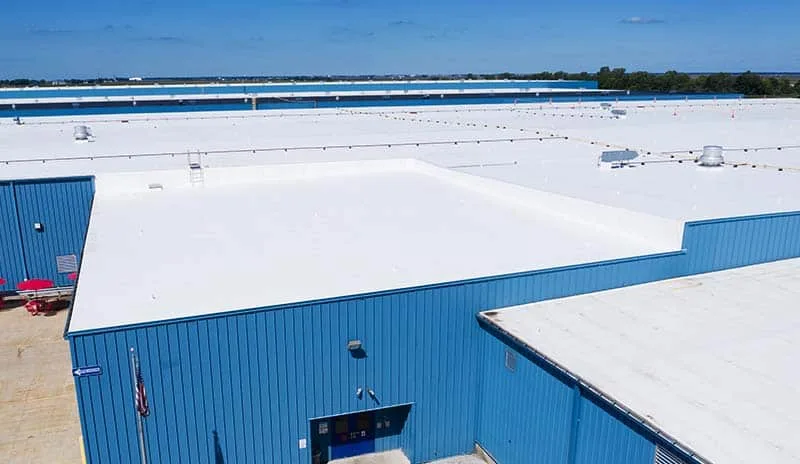
A hail claim is decided by what gets documented, so that's where the effort goes. The inspection photographs every slope and every piece of soft metal, and the finding is written to the standard an insurance file needs rather than as a sales sheet. When your adjuster comes out, we meet them on the roof and walk the same damage together, so the scope of loss gets built from what is actually up there and not from what could be seen from a ladder at the eave.
If the scope comes back short of what the photographs show, that becomes a conversation with evidence rather than an argument. We document the missed items and submit them, and the file does the arguing. And when the claim ends in a replacement, that's the moment to choose the next roof deliberately: Class 4 impact-resistant shingles exist for exactly this kind of hail exposure, many Colorado insurers discount premiums for them, and the roof that comes out of this storm can be a harder target for the next one.
Hail damage repair around Castle Rock and the Front Range.
The same crew and materials in every town we serve. Start from your own town, or call (719) 600-7852 and skip the reading.
Hail Damage Repair in Castle Rock: what homeowners ask
An out-of-state crew offered a free inspection the day after the hail. Should I sign anything?
No. Not because every canvasser is dishonest, but because nothing about a hail claim needs a decision made on your porch. Get your own inspection, get the finding in writing, and compare. A company that plans to be around next year will still be around next week.
Hail only hit one side of my house. Will the whole roof be covered?
It depends on what the documentation shows, which is why we photograph every slope and not just the obvious one. Hail damage is often invisible from the ground, and a slope that looks untouched from the driveway can carry bruising you would only find with a hand on the shingle. The scope should reflect the condition of the whole roof, and that's what goes in front of the adjuster.
What happens if the adjuster's scope misses damage you found?
We put the missed items back in front of the insurer with the photographs that support them. Adjusters move fast after a big storm and scopes come back incomplete more often than you'd think. A supplement built on documented evidence is a routine part of the process, not a fight.
Do you repair everything else the hail hit, or only the roof?
The whole exterior can go into one scope. Hail that bruises a roof also dents gutters and downspouts, tears window screens and marks garage doors, and it's all part of the same loss. Handling it as one restoration means one schedule and one point of contact instead of four trades to chase.

Free inspections, honest estimates, and no-pressure guidance, from the first inspection to the final nail.