
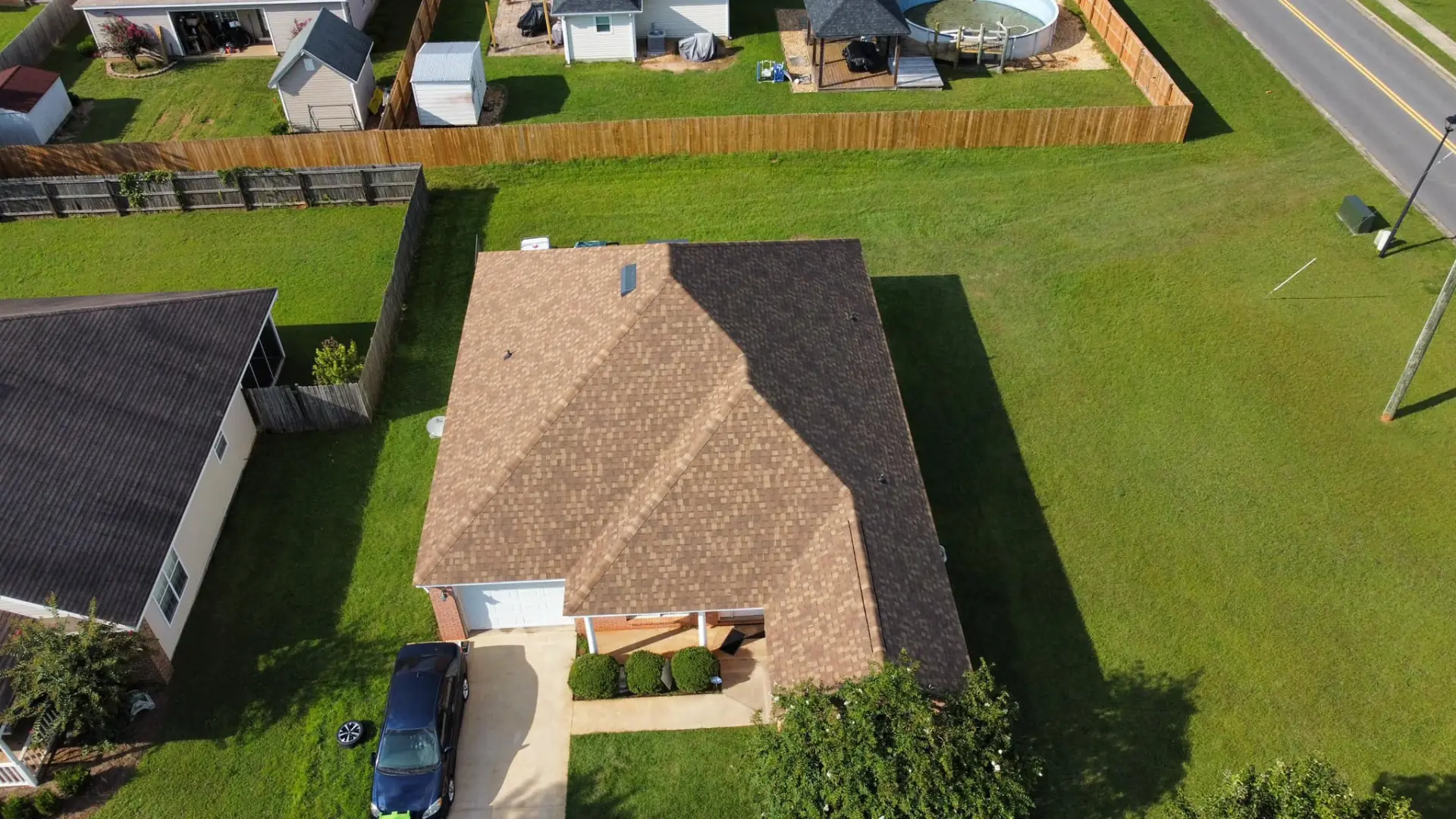
Hail Damage Roof Repair in Manitou Springs, CO
Hail damage roof repair in Manitou Springs, CO. Bruising and dented flashing hide from the ground on steep canyon roofs. Free inspection and claim help.
Hail and downslope wind are the reason most roofs in Manitou Springs come off early, and of the two, hail does its work invisibly. A stone that hits an asphalt shingle crushes the granules into the mat underneath and fractures the layer that actually keeps water out. From the street the roof looks untouched. Months later the bruised spots have shed their granules, the bare asphalt has been burned by the sun, and the leak arrives long after the storm has been forgotten. Insurers limit how long you have to file, so waiting for proof is the expensive strategy.
The first days after a storm decide how the whole thing goes. Get the roof inspected and documented while the evidence is fresh, be deliberate about who you let up there, and don't sign anything at your front door. The inspection costs nothing, the findings come to you in writing with photos, and if there's a claim in them, we stay with it through the adjuster's visit.
We assess the damage, document what we find in writing, and tell you honestly whether it needs work.
Book a free inspection (719) 600-7852What hail does to a roof at 6,300 feet
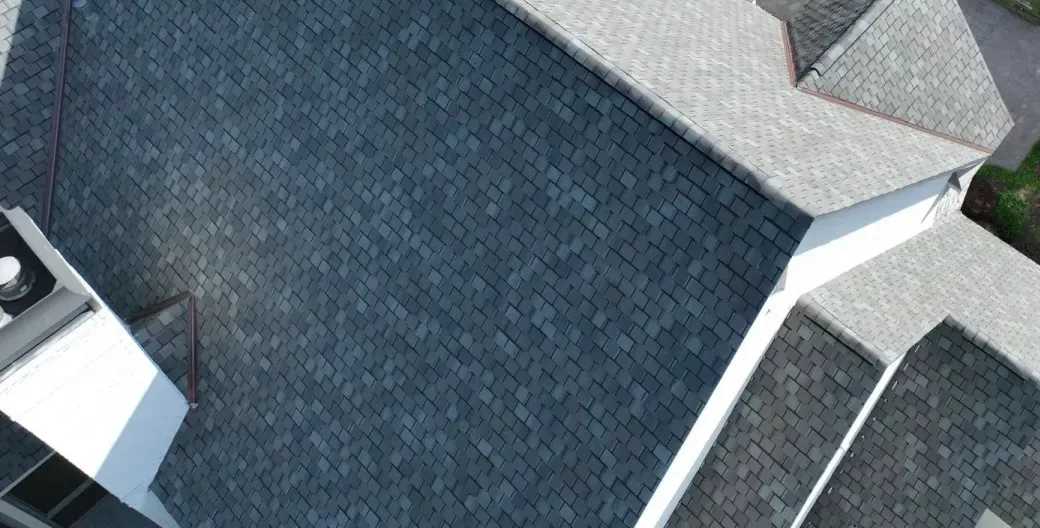
Three kinds of damage tell the story. Bruising is the serious one: a soft spot where the impact fractured the shingle's mat, the waterproof core of the product. Granule loss is the visible one, and it matters because granules are the shingle's sunscreen. At this elevation the UV is strong enough that exposed asphalt ages far faster than the same shingle would at sea level, so every bruise sits on an accelerated clock.
The third kind is the most useful. Vents, flashing, gutters and gutter aprons dent where shingles absorb the same hit quietly, and the pattern of dents records what the storm actually threw at the house. Those dents go into the file next to the shingle photos, because they're the part of the evidence nobody can write off as ordinary wear.
- Bruising: soft spots where the mat is fractured under granules that still look intact
- Granule loss that strips the shingle's UV protection and shortens its life
- Dented vents, flashing and gutters, photographed as a record of impact size
- Cracked or split shingles on older, brittle roofs that take hail worse than new ones
- Slope-by-slope differences, since the storm-facing planes carry most of the damage
Book a free inspection early, even if nothing looks wrong from the yard. Hail damage is a roof-level finding, and the documentation is strongest when the granule scatter, the bruising and the dents are fresh and clearly tied to one storm. Everything we find is photographed and written up to the standard an insurance file needs, whether or not you ever decide to file one.
After a serious hailstorm, crews you've never heard of will be canvassing within days, and the pitch usually ends with paperwork on your doorstep. Don't sign it. Door-signed agreements can tie your claim, or its proceeds, to a company that won't be findable when a warranty question comes up years later. There's a longer version of this argument on our blog, and it holds no matter who you eventually hire: choose a roofer the way you would without a storm bearing down, deliberately, and only then let anyone on the roof.
How the insurance claim runs
The process is documentation first. We inspect and photograph before you file, so you know whether a claim is even warranted, because filing on a roof with no qualifying damage helps nobody. If the damage is real, you file, and when the adjuster comes we're on the roof with them, walking the same slopes and pointing at the same bruises and dents we already have on record. The goal is simple: the scope of loss should reflect what's on the roof, not what's visible from a ladder at the eave.
Manitou adds one wrinkle worth settling early. In the historic district, exterior changes that show from the street may need to pass the city's preservation review, and an insurer approving a shingle doesn't mean the city has. We raise that at the start so the scope, the material and the approval all line up before anything gets ordered. And if the storm has ended the roof rather than just marked it, that's the natural moment to weigh Class 4 impact-resistant shingles, built to take the next storm better than the roof that just failed.
Hail damage repair around Manitou Springs and the Front Range.
The same crew and materials in every town we serve. Start from your own town, or call (719) 600-7852 and skip the reading.
Hail Damage Repair in Manitou Springs: what homeowners ask
A roofing crew knocked on my door right after the storm. Should I let them inspect?
Be careful. Canvassing crews follow hail across the Front Range, and the door knock usually leads toward a signature that ties your claim to them before you've compared anyone. An inspection by itself commits you to nothing, ours included, but never sign an agreement, an assignment of benefits or a contingency form on the doorstep. Pick your roofer deliberately, then let them on the roof.
My neighbor's roof needed replacing after the storm, but mine looks fine. Am I in the clear?
Not necessarily, in either direction. The canyon walls accelerate and redirect wind through town, so the same storm genuinely hits one street, one house, even one slope harder than the next. Your roof may have caught less than your neighbor's, or it may carry the same bruising with nothing showing from the ground. A roof-level inspection settles it either way, and since it costs nothing, it beats guessing.
How long do I have to deal with hail damage?
Less time than the roof makes it look. Policies limit how long after a storm you can file, and the limit varies by carrier, so check yours rather than assuming. The damage itself also compounds: bruised spots shed granules through the winter, and freeze-thaw works water into every fracture. Documenting early keeps both clocks on your side.
The adjuster approved less than the damage we documented. Is that final?
No. An initial scope can miss slopes, undercount the accessory metal, or write bruising off as wear. When our documentation shows more than the scope reflects, we ask for a re-inspection and walk the adjuster through the file on the roof, photo by photo. Scopes get revised on evidence, and evidence is what the inspection was for.

Free inspections, honest estimates, and no-pressure guidance, from the first inspection to the final nail.