
Roofing Company in Castle Rock, CO
Emergency repairs • Hail damage restoration • Insurance claims assistance
Castle Rock sits in the stretch of the Front Range that takes hail more often than almost anywhere in the country. We inspect, document and replace across the subdivisions and the businesses along I-25.
- Castle Rock, COService area
- 24/7 emergencyServices that work
- Licensedand insured
A Top-Rated Roofing Company in Castle Rock, CO
Castle Rock gives you the views and puts you directly under the Palmer Divide's weather to pay for them. Spring hail coming over the foothills, high-wind events, and winters that can turn from sun to blizzard inside a day. A roof here is asked to take all of it, and how it was detailed decides how long it manages.
We are a division of the Colorado Springs company, roughly 40 miles down I-25, and we work across Douglas County from there. We are not an out-of-state crew following storms up and down the interstate, which matters mainly for what happens after the job: the warranty paperwork, the supplier relationships and the people who answer the phone are all still here next season.
Whether you are in The Meadows, Founders Village, Plum Creek or one of the newer builds out in the hills, the process is the same. A free inspection, the findings written down and photographed, and a straight answer about whether you are looking at a claim, a repair, or a roof with years left in it.
More about us
Every quote below is a real Google review from a real customer. Read what they mention: not a product, but how the job was run. Arriving when we said we would, explaining what was actually wrong, protecting the property, and cleaning up completely. That is what we hold every crew to, on every roof.
5.0 stars from 44 Google reviews“Briley and his team are truly top notch. They took the roof all the way down to the plywood and replaced any damaged or rotten areas exactly like they said they would — very transparent about everything, from the initial inspection where they showed pictures of what was going on all the way to install.”
“Briley and his team did a great job from start to finish. He met our insurance adjuster at the property and took pictures of the process, which ended up being the difference between the insurance company approving the claim and declining it.”
“We are VERY HAPPY with Cornerstone Roofing and Restoration in Colorado Springs! They started early, completed their work, cleaned up all fallen debris, and no nails were littered after they left. It's not easy to find an excellent roofer, but this company, by far, is OUTSTANDING!”
“The entire team and sub-contractors were very professional, courteous and competent. Sam walked me through the entire process and handled most interactions with my insurance, including several code upgrades — he kept stress levels for me very low.”
“Cornerstone was our second attempt to repair a leak in my roof. They did a fantastic job. They took pictures showing me concerns before the repairs, underlying damage after tiles were removed, and the progress of the repairs. Couldn't be happier.”
“Cornerstone Roofing and Restoration in CO Springs are awesome. They did such a great job on our new roof plus the gutters. Christopher and Briley are great associates with keeping us informed and updated with information during the process.”
“They were very professional and went above and beyond what normal roofing would have been. Removed swamp cooler stand and electrical box, replaced plywood to ensure no leaking, and took great care in clean up. Sales person Eli was very knowledgeable.”
“Cornerstone roofing did an excellent job. They provided a roofing certification that needed to be able to close on the sale of my house. I would highly recommend them.”
Residential Roofing & Exterior Services in Castle Rock, CO
Castle Rock runs from the older streets downtown out to subdivisions still filling in across the hills, and the two want different things from a roof. Most of the town has gone up since the 1990s, and subdivisions get built in phases, so whole streets carry the same shingle installed the same year and reach the end of it together.
Given how often hail comes through here, a standard three-tab is usually the more expensive decision, and the impact-rated line is worth pricing in Castle Rock more than almost anywhere on the Front Range. Architectural approval gets handled before the tear-off rather than after it, and we fit the gutters and siding that finish the exterior.
Residential roofingCastle Rock Commercial Roofing & Exterior Renovation
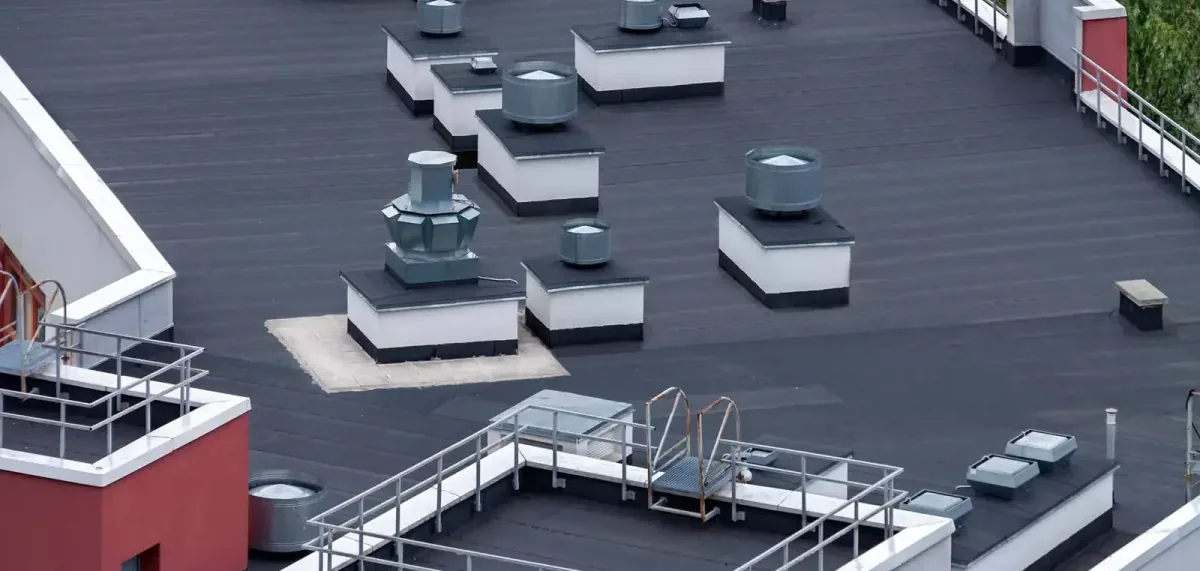
From the Outlets at Castle Rock to the storefronts downtown and the light industrial along the I-25 corridor, commercial property here mostly sits under low-slope membrane, and repeated hail is hard on a membrane in a way that is easy to miss until it leaks: bruising, split seams and punctured flashing rather than anything visible from the lot.
TPO and EPDM are what go on most of these buildings, and TPO's reflective surface earns its keep through a Colorado summer. Where a roof is aging but the deck below it is still dry, a silicone or acrylic coating restores the waterproofing for a fraction of a replacement. Everything is scheduled around your trading hours, with the site staged so access and parking keep working.
Commercial roofing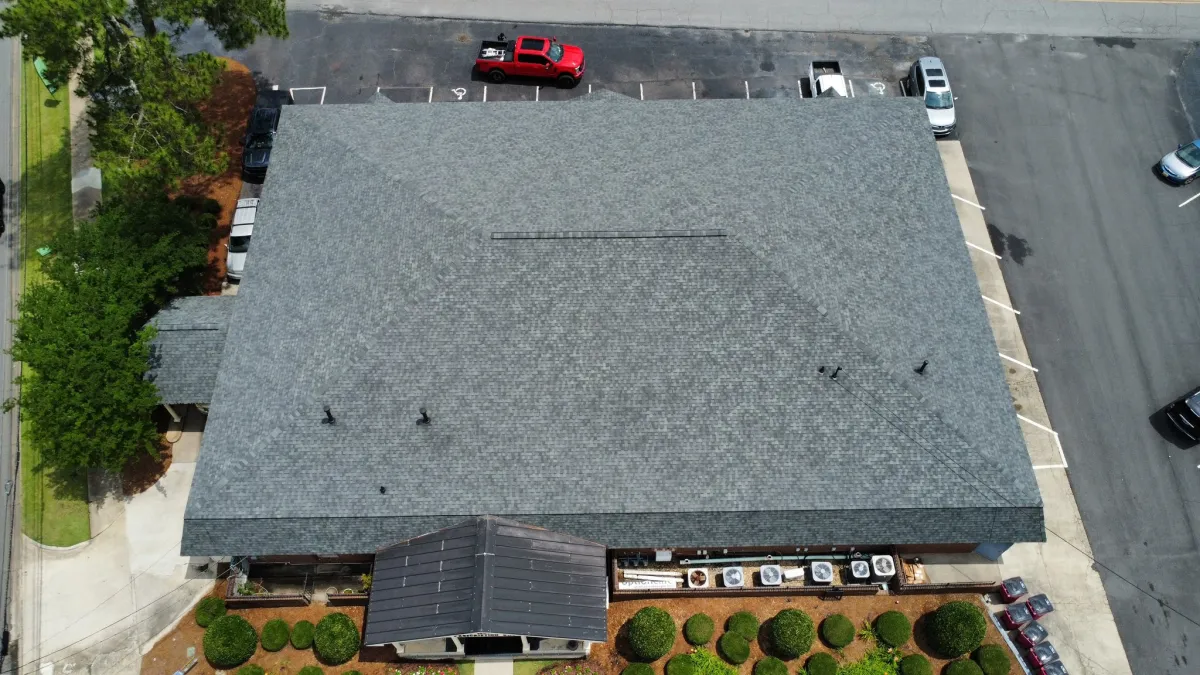
Our roofing services in Castle Rock
From homes to commercial buildings, we cover everything above your walls. Full replacement, emergency storm repair, gutters, siding and the maintenance in between, all run by the same crew to the same standard whatever the size of the job.
Explore all services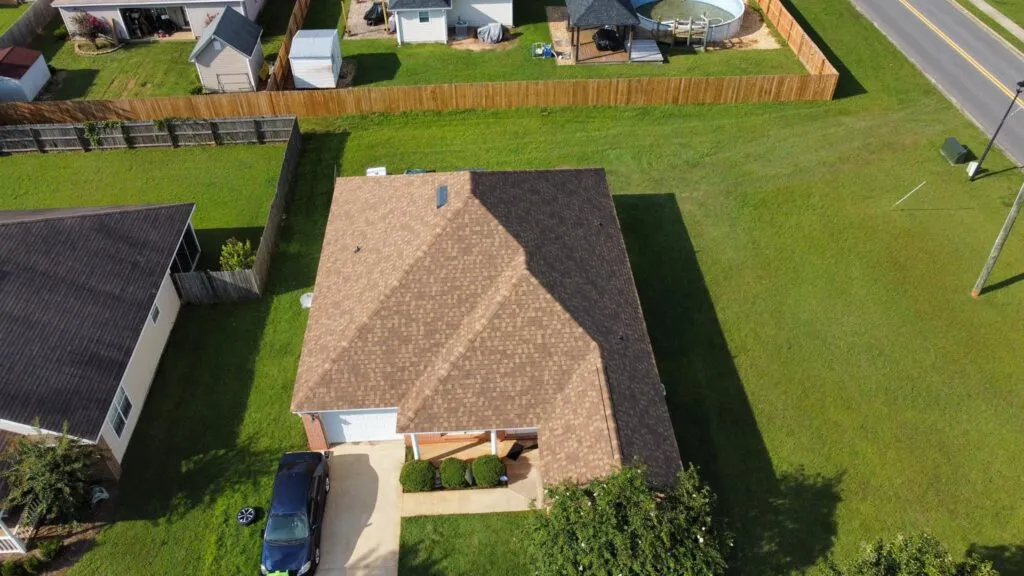
Roof Inspections
Free, with the findings written down and photographed. Post-storm assessments, pre-purchase inspections for a sale, and the documentation a claim needs to hold up.Learn more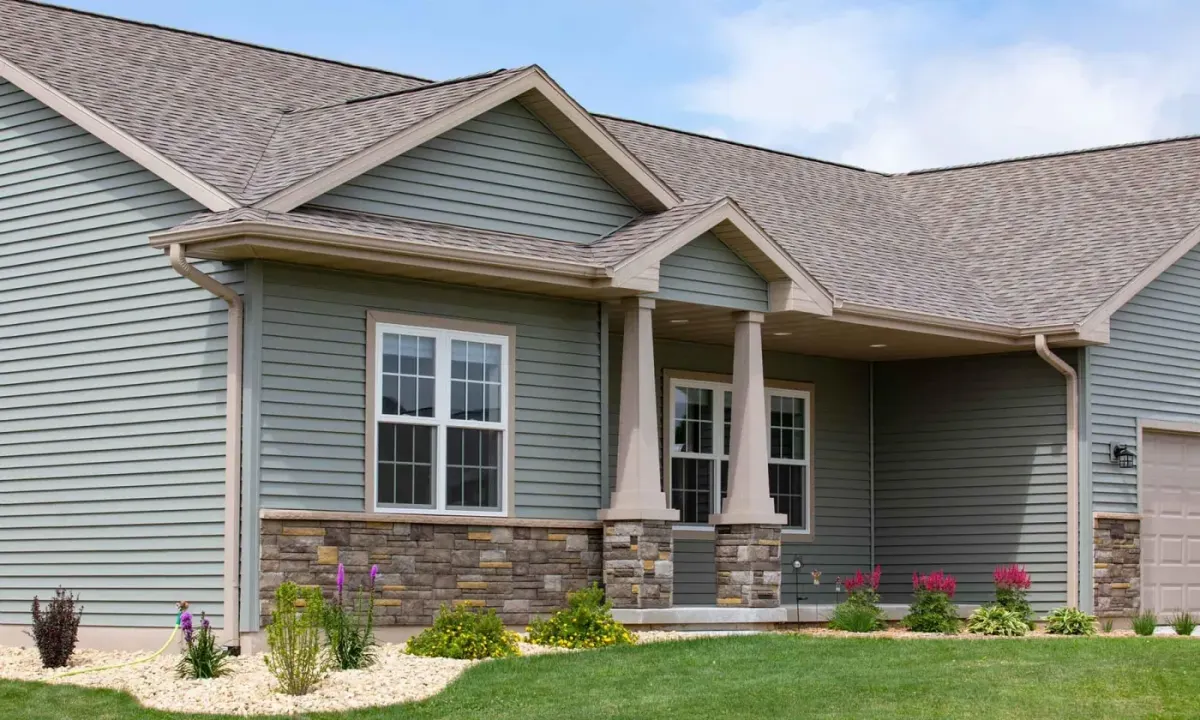
Vinyl Siding Installation & Replacement
Hail does not stop at the roofline. On a full storm restoration the dented fascia, cracked siding and torn screens go into one scope, rather than leaving you to chase four trades yourself.Learn more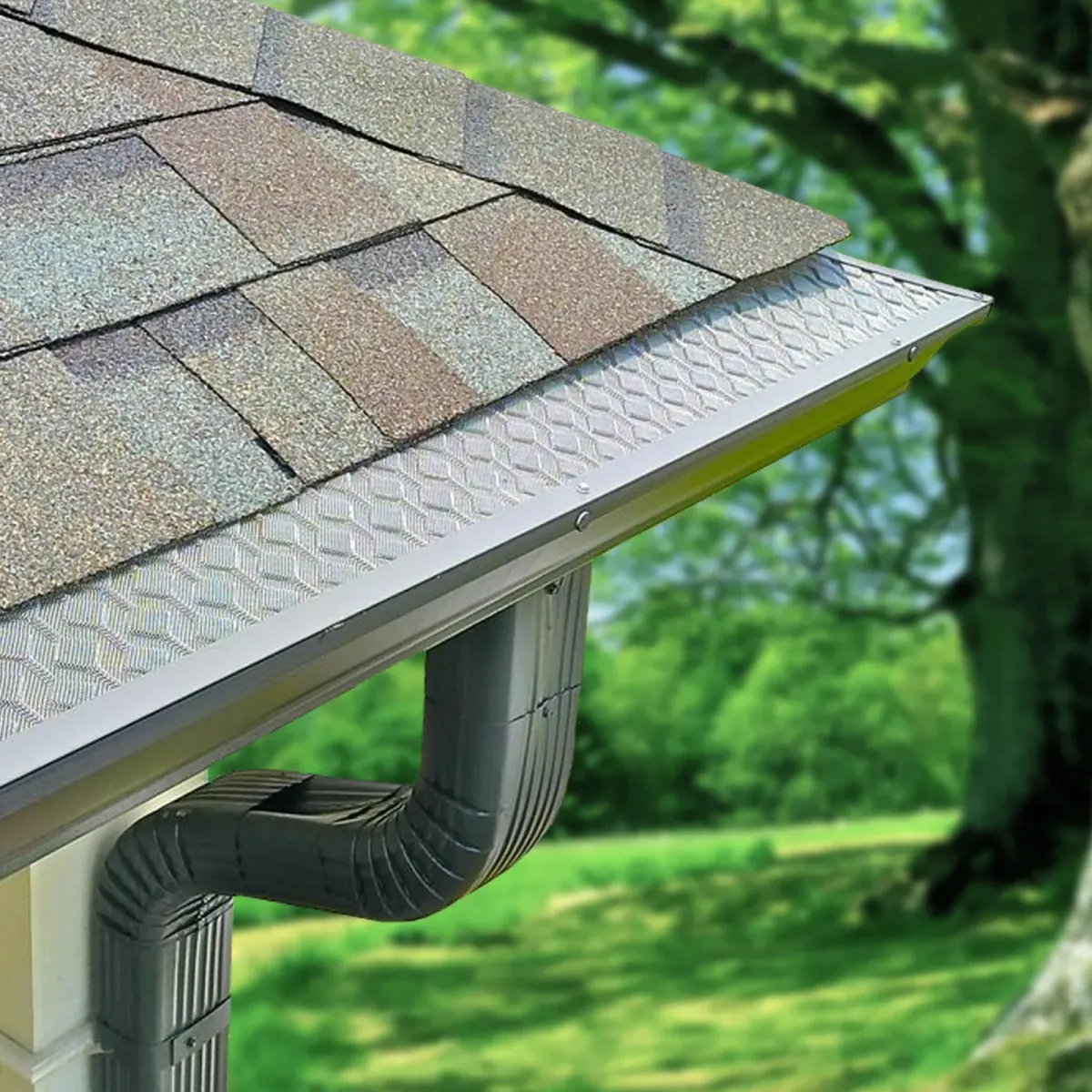
Gutter Installation & Protection
Seamless gutters and guard systems sized for the runoff a Palmer Divide storm actually produces, in colors that suit your fascia and satisfy your association.Learn more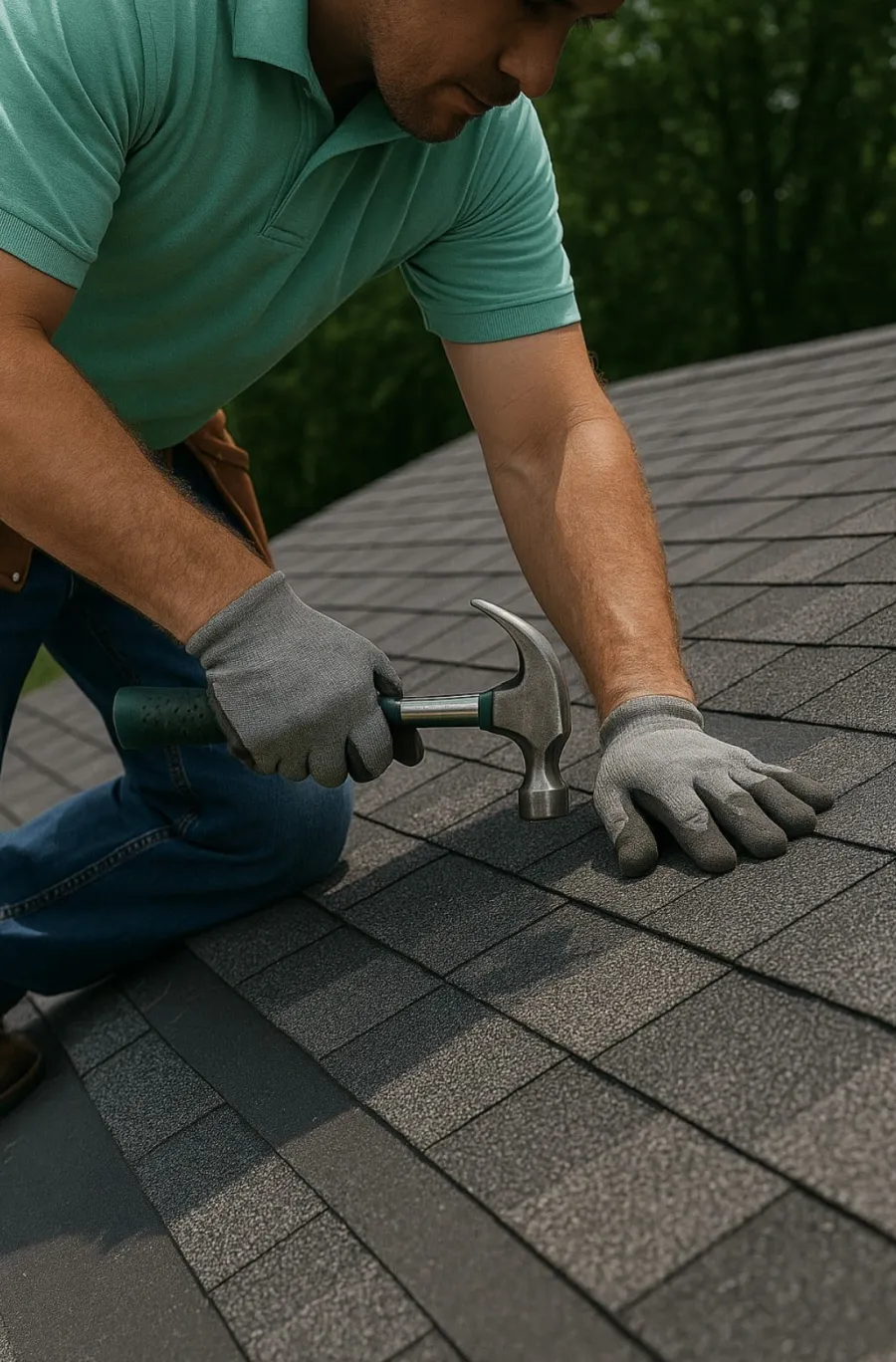
Roof Repairs
Leaks, storm damage and lifted courses, traced to the actual source before anything is quoted. Emergency tarping when water is already coming in, which up here usually means the week of the storm rather than the month after it.Learn more
Commercial Roofing
TPO, EPDM and metal along the I-25 corridor and through downtown, plus the silicone and acrylic coatings that renew an aging membrane while the deck underneath it is still sound.Learn more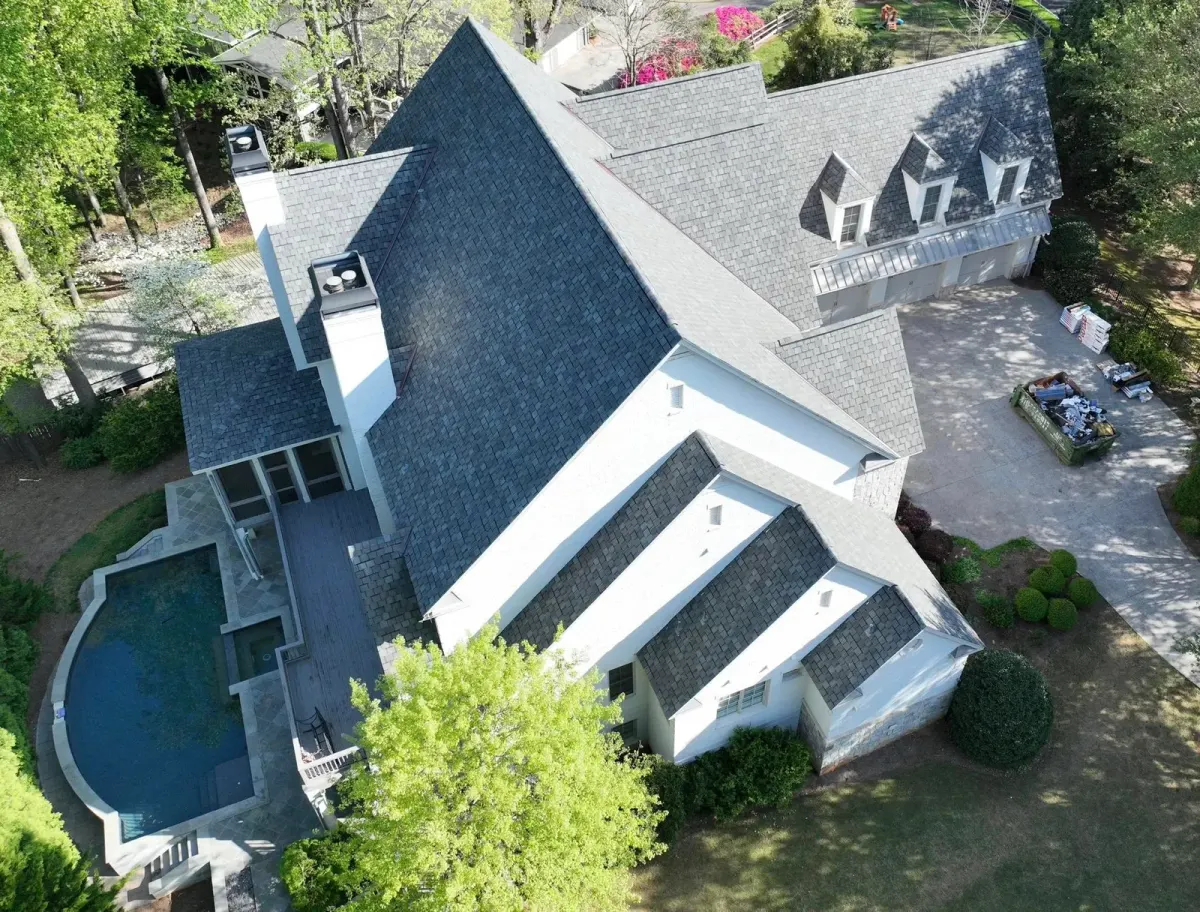
Residential Roofing
Full replacements across the subdivisions and the older streets downtown, in architectural asphalt, Class 4 impact-resistant systems and metal. On a street built in one phase we will tell you whether yours is genuinely due or simply the same age as your neighbors'.Learn more
Why Castle Rock homeowners choose Cornerstone
The Front Range fills with out-of-state crews after every big hail event, and Douglas County gets more of them than most. Here is what we do differently, plainly stated.
We install Atlas and price the impact-rated line properly, because on the Palmer Divide the cheaper shingle is usually the more expensive decision over ten years.
We work the Front Range from Colorado Springs, 40 miles down I-25. Our reputation here is the asset, and we are still reachable when a warranty needs honoring.
No signature wanted on the doorstep and no deposit before materials. We inspect, show you the photographs, explain the options, and leave the decision with you.
We pull the permit, book the inspections and are on site for them, whether your address falls inside town limits or out in unincorporated Douglas County.
The Palmer Divide climate, and what it costs a roof
Castle Rock's position on the Divide gives it a microclimate that is hard on exterior materials in two specific ways, and both of them are worth understanding before you choose a roof.
Hail, and more of it than most places
Hail is the main reason roofs get replaced here. It does not punch holes in them. It knocks the granules off and bruises the mat underneath, and the roof carries on shedding water for a season or two before it stops, which is why the damage is so often missed from the ground. That is the argument for an inspection after the storm rather than after a stain appears on a ceiling. The soft metal, vents and gutters get looked at as carefully as the field, because dents there are the easiest damage for an adjuster to read.
Freeze-thaw, and what it does to fasteners
Castle Rock can give you 60 degrees in the sun and a blizzard the following day. Every roofing material on the house expands and contracts through each of those swings, and across enough years that works nails loose and cracks shingles that have already lost their flexibility. Ventilation that keeps the attic nearer the outside temperature is the practical defense against it, which is one of the reasons the attic gets looked at on every inspection.
Built to the code Castle Rock actually adopted
Castle Rock is an incorporated town with its own Building Division, so inside town limits the Town's adopted code governs rather than the county's. It has amended that code in at least one way that matters on a roof, and the things an inspector looks at turn out to be the things that decide how the roof ages anyway.
The permit, and which office issues it
A permit is required before a roof is replaced. Inside town limits it runs through the Town of Castle Rock Building Division; if your address sits in unincorporated Douglas County it runs through the county instead, and the two are not interchangeable. We pull it and book the inspections, and it is worth knowing a permit lapses if no inspection happens within 180 days of it being issued.
Ice barrier at the eaves and in the valleys
This is the local amendment worth knowing about. The base international code calls for an ice barrier at eaves only; Castle Rock amended its version to require it in the valleys as well, running from the lowest roof edge to at least 24 inches inside the exterior wall line. Valleys are exactly where runoff concentrates and where a freeze-thaw winter backs water up, so the amendment is a sensible one, and a bid that has not allowed for it is not a complete bid.
Fastening for wind, and what is actually required
Worth being precise, because a lot of local roofing copy is not: the adopted code sets a floor of four fasteners per strip shingle, not six. We install six anyway. It is the pattern the manufacturer specifies for steep-slope work, and on the Palmer Divide's wind we would rather run it on every slope than save a box of nails on a legal minimum.
Drip edge at eaves and rakes
Metal along every edge, so wind-driven rain and snowmelt leave the roof instead of tracking back into the fascia and the decking behind it. Rotten fascia under an otherwise sound roof is very often a missing or badly lapped drip edge from the last replacement.
What a Cornerstone installation looks like
You are not buying labor by the hour, you are buying a sequence. This is what happens once the crew is on site.
Property protection
Before a shingle comes off, the crew tarps landscaping and beds, covers the air conditioning units, and protects garage doors and windows from falling debris.
Complete tear-off
The old roof comes off down to bare wood. Laying new shingles over an old covering hides whatever is wrong underneath it, so every sheet of OSB or plywood gets looked at instead.
Decking repair, then underlayment
Damaged wood is replaced, and synthetic underlayment goes down across the field. Unlike felt it resists tearing, lies flat, and gives you a real second line of defense on the day a shingle above it fails.
New flashing and drip edge
New drip edge around the perimeter, and new metal flashing worked in at chimneys, vents and valleys. Those are the places a roof leaks, and reused flashing is where it leaks first.
Shingles to the high-wind pattern
Laid to the manufacturer's specification for the product going on your house, and fastened with six nails per shingle rather than the four the code floor allows. This exposure is exactly why we run the heavier pattern as standard.
Cleanup and magnetic sweep
Several passes with heavy magnetic sweepers across the lawn and the driveway before the crew leaves, because a stray nail finds a tire or a paw eventually.
How to spot a storm chaser
Douglas County fills with out-of-state crews after a big hail event. They bid low, work fast, and are gone before the first leak shows up. Four things to check before anyone gets a signature.
No local address
A P.O. box, an out-of-state plate, or a number that stops being answered once the season ends. Ask where the office actually is, and whether anyone will be at it in two years when a warranty needs honoring.
An offer to cover your deductible
Colorado does not allow it. Under C.R.S. 6-22-105 a contractor working from insurance proceeds cannot advertise or promise to pay, waive or rebate your deductible, and C.R.S. 6-22-103 requires your contract to say so in writing.
Pressure to sign today
A signature wanted on the doorstep, or a large deposit asked for before materials are anywhere near your driveway. A real estimate survives you sleeping on it and getting a second one.
Nothing in writing
No written scope, no photographs of the damage they say they found, no permit pulled. If nobody will put it on paper before the work, nobody will stand behind it afterward.
Your roof is part of your cooling bill
Most of the connection between a roof and an energy bill runs through the attic rather than the shingles. Through a Colorado summer an attic with too little ventilation sits well above the outside air, commonly twenty to thirty-five degrees above it, and that heat radiates down through the ceiling so the air conditioning runs longer to hold the same temperature in the rooms below.
It is worth being straight about what ventilation does and does not do, because a lot of roofing copy overstates it. It has only a small effect on how hot the shingles themselves get, where colour and orientation matter considerably more. What it genuinely governs is moisture: warm damp air with nowhere to go condenses on the underside of the deck through the winter, and that is what curls and buckles a roof from below and eventually rots sheathing.
So the attic is part of the inspection. Ventilation is specified as net free area, meaning the actual open airflow once screens and baffles are accounted for rather than the size of the hole, and the code baseline is one square foot for every 150 square feet of attic floor, or one per 300 where enough of it sits high in the roof. We measure what you have, compare it against what is required, and give you the numbers in writing.
Financing for Castle Rock homeowners
A roof rarely fails at a convenient moment, and a storm sets its own schedule. We finance through GoodLeap so a replacement can happen when the damage says it needs to, rather than when a savings account is ready for it.
We will walk you through the options alongside the estimate, in the same conversation, so you can see the whole picture before deciding anything.
Financing options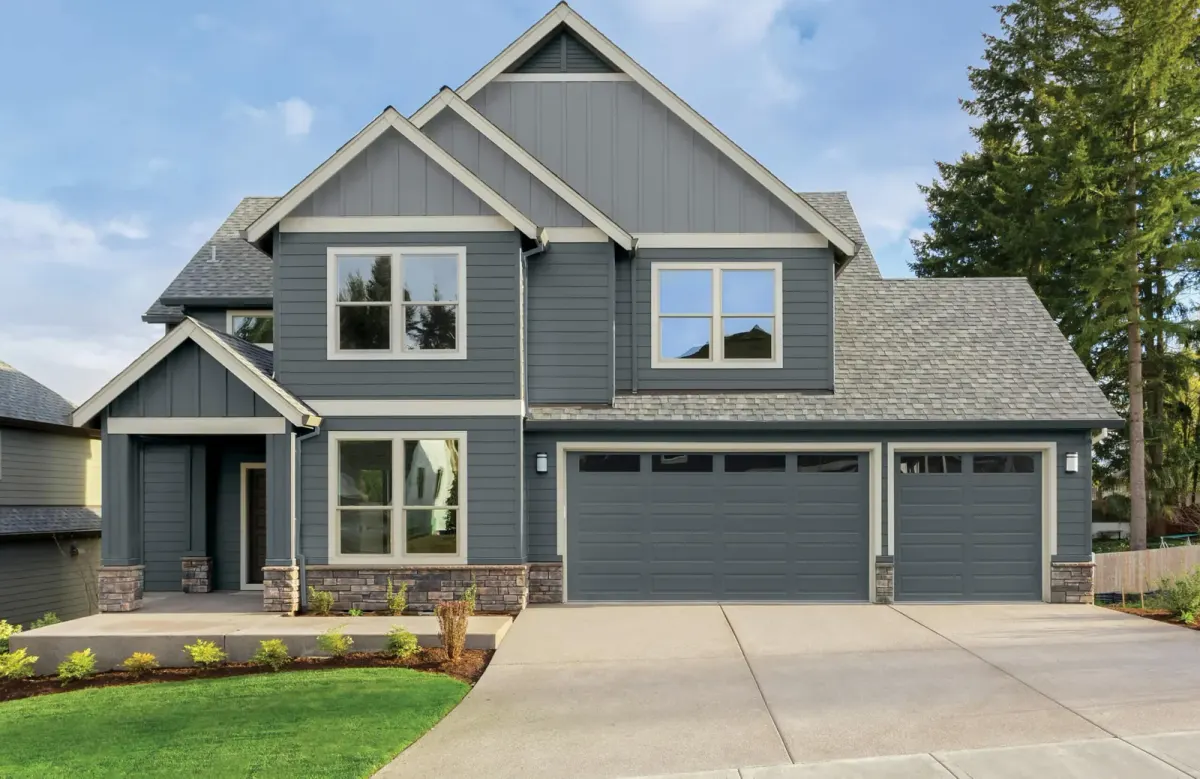
Castle Rock roofing questions, answered
What Castle Rock homeowners ask most, from architectural approval and permit inspections to how often a roof in this part of the corridor really needs replacing.
Do I need a permit to replace a roof in Castle Rock?
Yes. A replacement needs a permit and an inspection, pulled through the Town of Castle Rock if you are inside town limits and through Douglas County if you are not. We handle the paperwork and schedule the inspections as part of the job.
My HOA controls what the roof can look like. Is that a problem?
No, it is just a step we take first. We check the covenant for approved colors, profiles and materials before quoting, select from what is allowed, and give you the documentation the architectural committee asks for. Sorting it out up front avoids a tear-off that stalls waiting on approval.
Several of my neighbors are getting new roofs. Should I have mine checked?
Usually yes. Castle Rock subdivisions were built in phases, so a street often shares one roof age and one storm history. If the houses on either side of you have enough damage to claim, yours is worth a look, and insurers put a time limit on filing.
How do I tell whether my roof took storm damage?
From the ground, mostly by looking at everything except the roof. Hail leaves dents in gutters, downspouts, window screens, garage doors and the soft metal around vents, and that collateral damage is usually visible long before anything on the roof itself is. If you can see it at eye level, the roof almost certainly took the same storm. That is the point to have someone go up and photograph it.
How long does a replacement take?
Most residential replacements run one to two days, depending on the size of the roof, its pitch and how cut up it is. Weather on the Divide can move that, and we would rather tell you it has moved than have you work it out from an empty driveway.
Can a roof go on in winter?
Yes, but it has to be done differently and it is worth asking any contractor how. Asphalt shingles seal themselves using the sun's heat to activate an adhesive strip, which Atlas, GAF and Owens Corning all state plainly in their own installation guidance, and in cold weather there is not enough of it. So a winter installation calls for hand-sealing the shingles with roofing cement to hold them until spring does the rest. A crew that skips that step in January leaves you a roof that looks finished and lifts in the first real wind.
Will your crew damage my gutters getting up there?
They should not. Ladders leaned straight against aluminum gutters dent and scratch them, which is a common way to finish a roof job with a gutter problem you did not start with. We use stand-offs and padding so the existing system comes through the tear-off in the condition it went into it.
Do you offer financing?
Yes, through GoodLeap. A roof rarely fails at a convenient moment and a hailstorm sets its own schedule, so the options get walked through alongside the estimate, in the same conversation, and you see the whole picture before deciding anything.
Are impact-resistant shingles worth it in Colorado?
For most Front Range homeowners, yes. Class 4 impact-resistant shingles are built to survive hail that would bruise or crack a standard shingle, and many Colorado insurers offer a premium discount for installing them. We’ll show you the options and let you weigh the up-front cost against the discount and the reduced chance of another claim.
How do I know if my roof has hail damage?
Hail damage is often invisible from the ground. The signs we look for are bruising (soft spots where the granules have been knocked loose and the mat beneath is exposed), along with dented vents, gutters and flashing. If a storm has come through, get a free inspection rather than waiting for a leak, because insurers usually limit how long you have to file.
Do you help with insurance claims?
Yes. Storm claims are a large part of what we do. We document the damage, meet the adjuster on site, and make sure the scope of the loss reflects what we actually found on the roof.
Why does altitude matter for a roof?
Thinner air at elevation means more intense UV, which ages asphalt shingles faster than the same product would at sea level. Combined with sharp freeze-thaw swings, it puts far more stress on materials and sealing than a mild climate does. A roof can warm well above freezing in the sun and drop below it after dark, repeatedly, in a single winter week.
Roofing guidance for Castle Rock homeowners
Maintenance advice, storm preparation and the things worth knowing before you spend money on a roof in this climate.
View all articles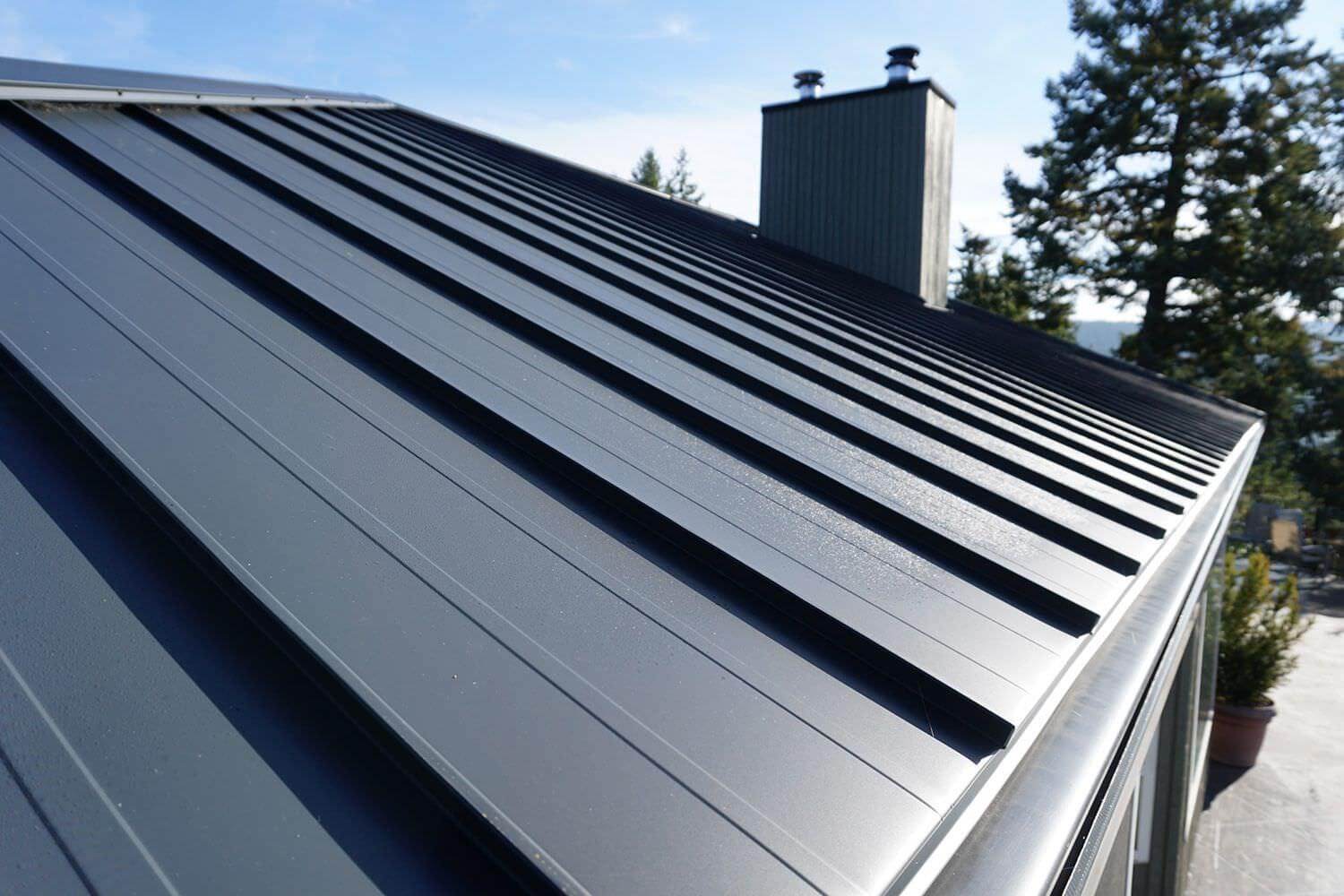 April 8, 2025
Why Your Roof’s Flashing Is Critical to Its Performance
Flashing is the metal that seals the joints in your roof, and it is where most leaks actually begin. Here is what it does, how it fails, and what to look for before it costs you.Read article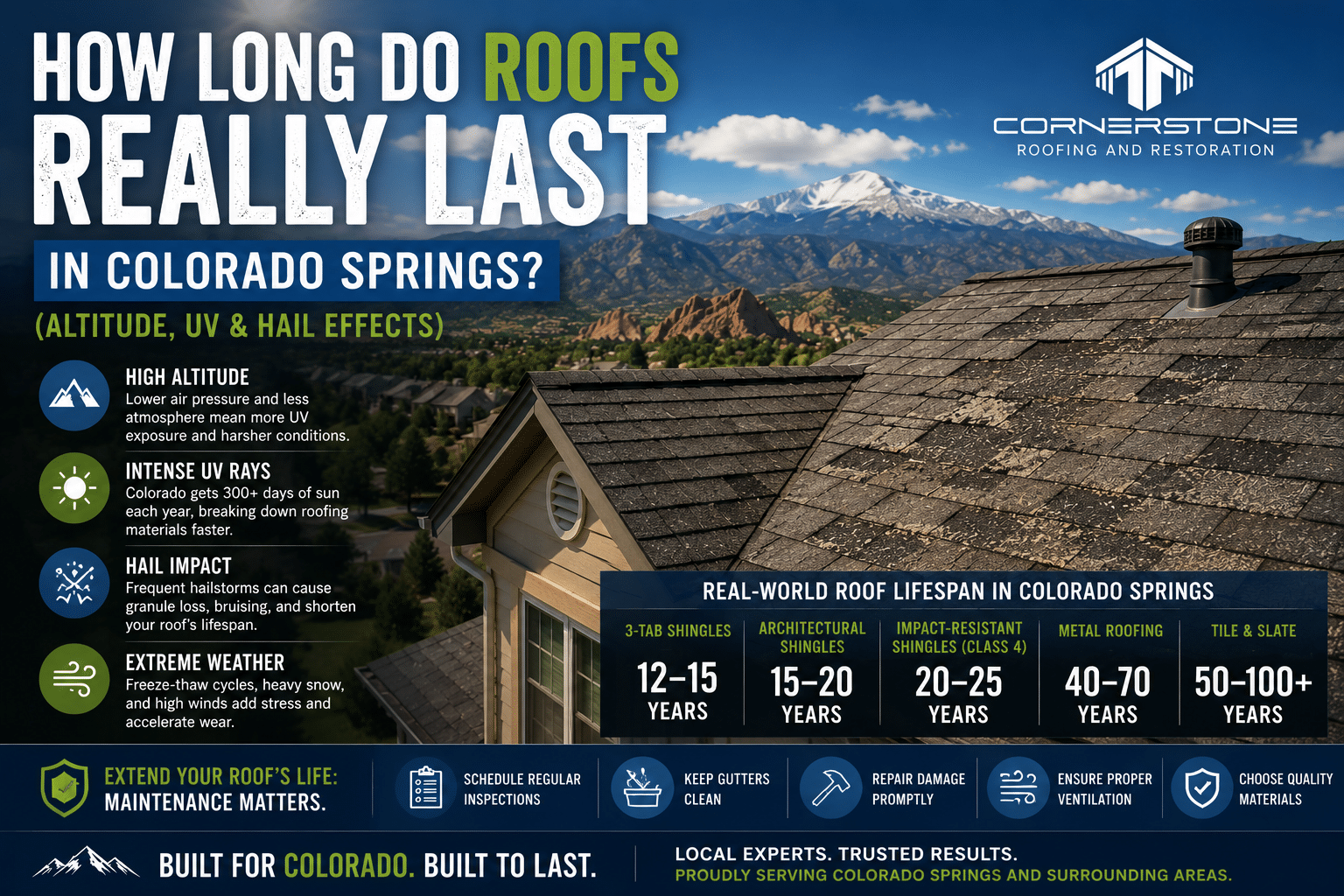 June 22, 2026
How Long Do Roofs Really Last in Colorado Springs? (Altitude, UV & Hail Effects)
When you buy a new roof, the warranty might promise 30, 40, or even 50 years. So it is reasonable to assume your roof will last that long. In Colorado Springs, though, the…Read article June 22, 2026
The First 48 Hours After a Hailstorm in Colorado Springs: A Homeowner’s Action Plan
A major hailstorm just rolled through your neighborhood. The noise was alarming, the ground is covered in ice, and you are wondering whether your roof took damage, and what…Read article
There is no point waiting for a small problem to become a structural one. A post-storm assessment, a repair and a full replacement all start the same way, with someone on the roof writing down what is actually up there.
The inspection is genuinely free and nothing is attached to it. If water is already getting in, say so when you call and we will treat it that way.