
Putting the inside right after the water gets in
Drywall, ceilings, insulation, trim and paint, restored to match what was there before the leak.
One contractor stops the water and rebuilds the room it damaged.
We handle both ends of the same job. Stopping the water is the roofing work; making the room look as though it never happened is the restoration work. Having one contractor do both means nobody is waiting on anybody else, and no one is arguing about where the roofing scope ended.
Restoration is also where insurance claims get won or lost. Interior damage is usually the most visible part of a loss, and documenting it properly, before anything is torn out, matters as much as the repair itself.
Get your free roof inspection
Honest findings, clear recommendations, and transparent pricing. No pressure to sign.
Get my free estimate (719) 600-7852What we put back
Cut out what is compromised, replace it, and finish and texture it to match the surrounding surface.
Wet insulation does not dry and recover. It is removed and replaced.
Casing, baseboard and crown replaced and refinished to match the existing profile.
Primed and repainted so the repair does not read as a patch.
Why it matters who does it
The leak and the damage it caused are one job. We fix both rather than handing half of it on.
Photographed and written up before anything comes out, while the evidence still exists.
Texture, profile and finish matched to the room, so the repair disappears.
Dust control and protection for the rest of the house while we work.
How it goes
Assess
We find the source, then trace how far the water actually traveled, which is usually further than the stain.
Document
Photographs and a written scope of the interior damage, before anything is removed.
Stop the water
The roof or envelope repair comes first. There is no point in restoring into an active leak.
Remove and dry
Compromised material out, the cavity dried, and the structure checked before we close it up.
Rebuild and finish
Drywall, texture, trim and paint, matched to the room.
Water damage inside? Call (719) 600-7852. We answer 24/7.
Call nowInterior Restoration: questions & answers
Do you handle the roof repair and the interior work?
Yes. That is the point of doing it this way. One contractor for the cause and the damage, so nothing falls between two trades.
Will this go through my insurance?
Often, where the damage comes from a covered event like a storm. We document the interior damage properly and will meet the adjuster on site.
Can you match my existing ceiling texture?
In most cases, yes. We’ll tell you honestly at the walkthrough if a full-surface refinish would give a better result than a patch.
How soon should I call after a leak?
As soon as you can. Wet material left in place causes more damage than the original water did, and the sooner it comes out, the smaller the repair.
Other services we offer.
 Residential Roofing
Complete home roofing from trusted local experts. Quality materials, expert installation, and warranties you can count on.
Learn more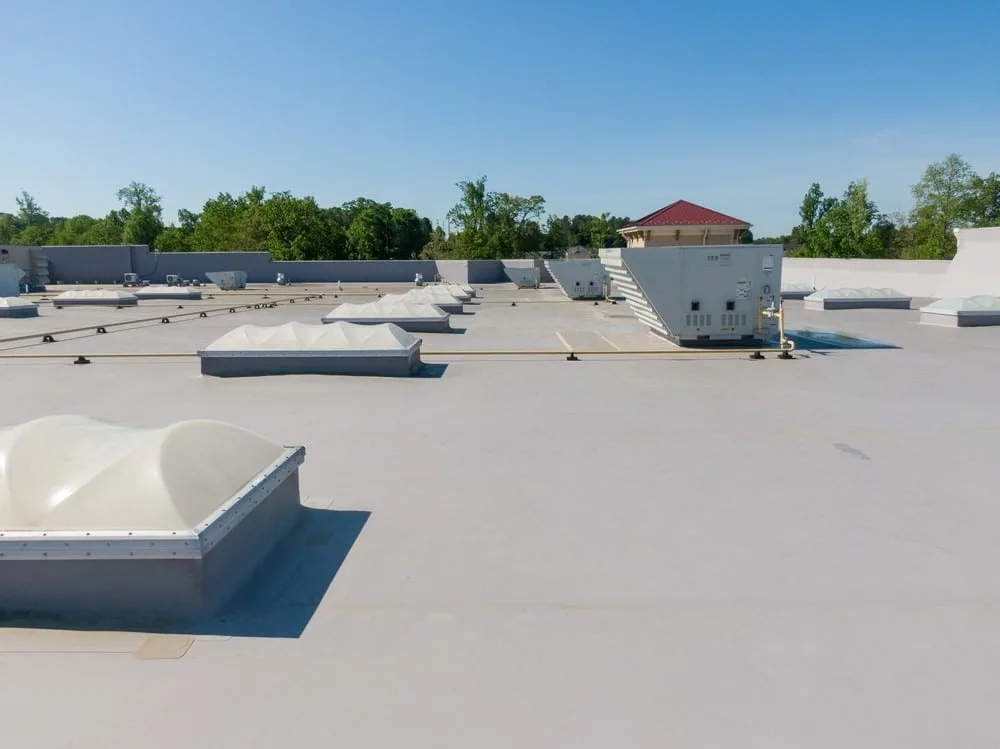 Commercial Roofing
Durable systems for business properties. From flat roofs to metal, we protect your building with minimal downtime.
Learn more Roof Repairs
Fast, reliable repairs for leaks, storm damage, and emergencies. Available 24/7 to protect your property when you need us most.
Learn more Gutter Installation & Protection
Seamless gutters and gutter-guard systems that protect your foundation and landscaping. Low-maintenance and built to last.
Learn more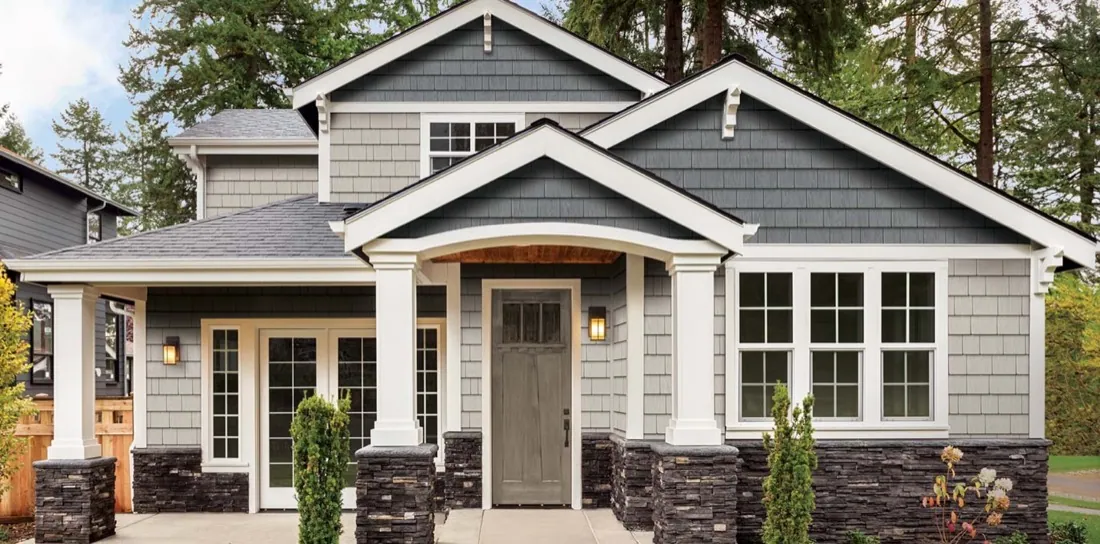 Vinyl Siding
Durable, low-maintenance vinyl siding. Energy-efficient protection in styles and colors that enhance your curb appeal.
Learn more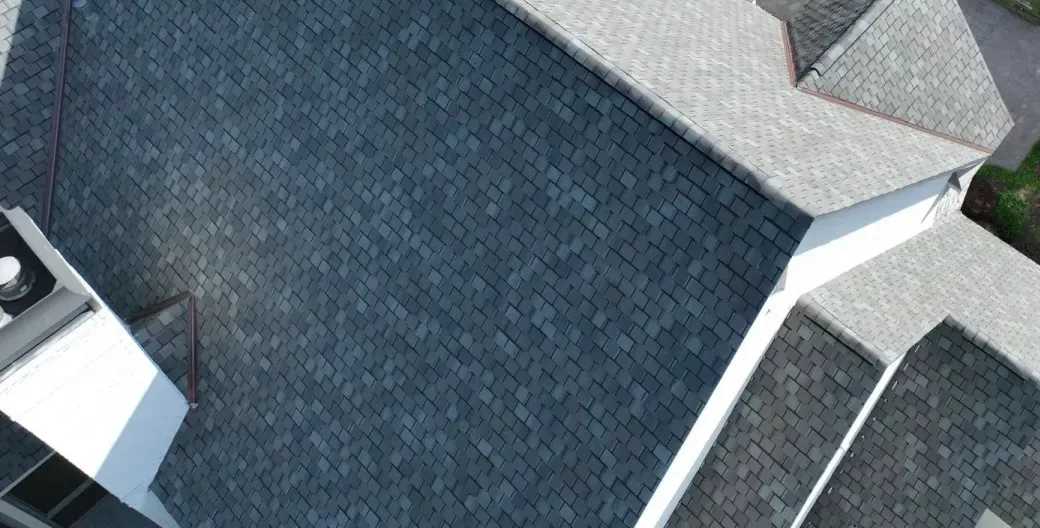 Roofing Products
Our complete line of Atlas shingles, from designer styles to impact-resistant systems built for hail and high wind.
Learn more Painting
Interior and exterior painting. Proper prep, clean lines, and a finish that holds up to sun, wind and weather.
Learn moreInterior Restoration across the Front Range.
The same crew, materials and warranty in every town we serve. Yours has its own page; if it is not listed, call (719) 600-7852 and ask.
At Cornerstone Roofing & Restoration, we’re here to answer your questions, schedule your free inspection, and provide expert guidance for all your roofing needs. Whether you’re dealing with storm damage, planning a replacement, or simply wanting an honest assessment of your roof, our team is ready to help.

Free inspections, honest estimates, and no-pressure guidance, from the first inspection to the final nail.