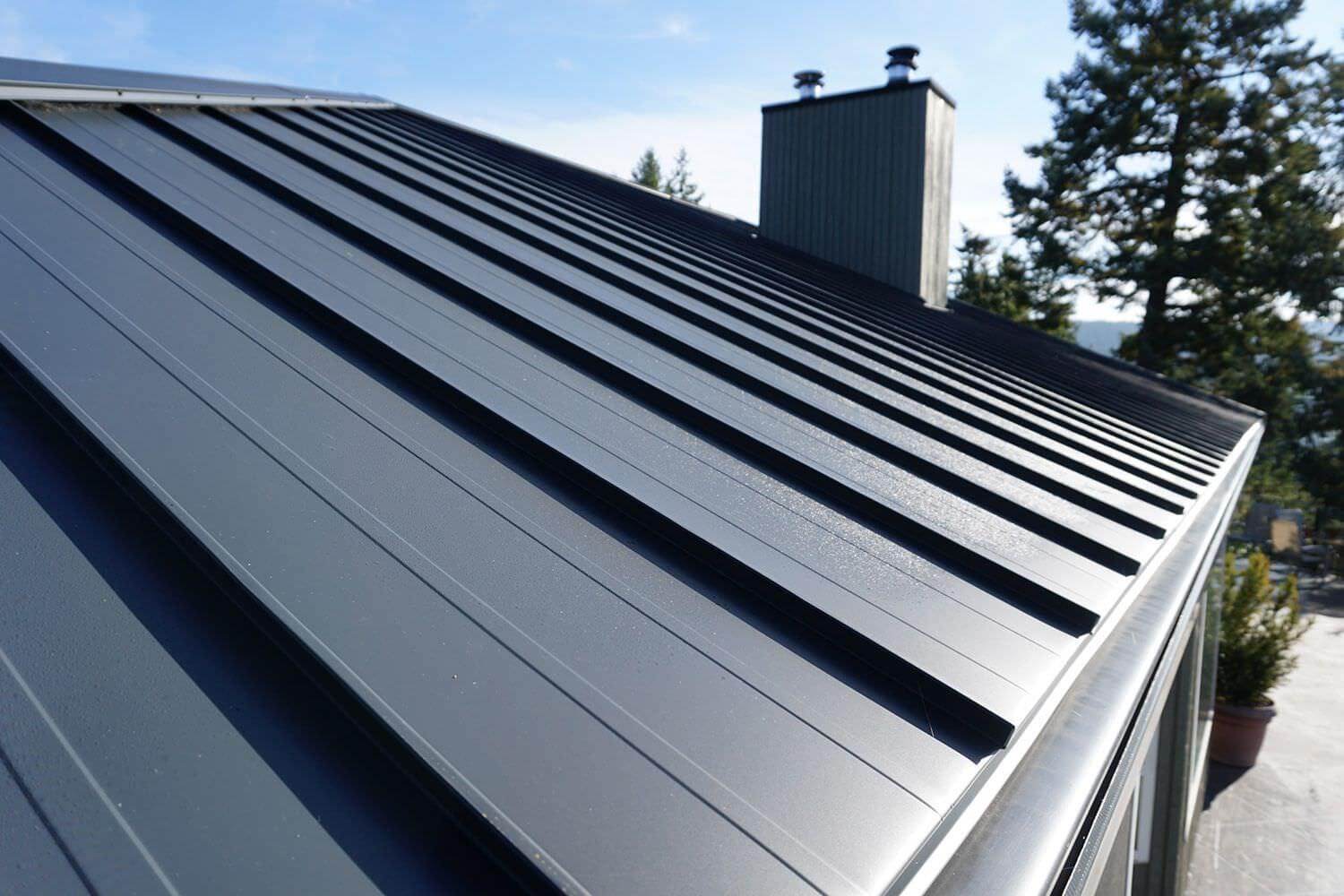
At Cornerstone Roofing and Restoration, keeping roofs leak-free is the whole job, and flashing is a cornerstone of that. This guide explains what flashing does, why it fails, and how it is repaired and replaced.
With decades of roofing experience, we have seen flashing stop water where it matters most. Ignoring it risks costly damage, and our roof repair services address it.
What is roof flashing?
Roof flashing is metal, usually aluminum or copper, that seals the joints in a roof. We install it around chimneys and vents to block water at the transitions where a roof surface meets something vertical. The National Roofing Contractors Association treats flashing as a leak-prevention essential, and it is a major cause of seepage when it fails. Curious about full roof protection? A free roof inspection is where to start, because flashing is only part of it.
Flashing’s role in leak prevention
Flashing diverts water away from the weak spots in a roof. A large share of roof leaks trace back to failed flashing rather than to damaged shingles, which is why it is treated as the frontline defense. Without it, water works its way in and ruins interiors. Our roof repair services seal those gaps.
Protecting structural integrity
Flashing is not only about leaks, it protects your home’s frame. Where flashing fails, water reaches rafters and decking, weakens wood and breeds mold. Our roof replacement services handle damage that has gone that far, but a flashing repair is what prevents it.
Key flashing trouble spots
The vulnerable areas need flashing most: chimneys, skylights and valleys are where the majority of problems appear. Dormers and vents also leak if they are neglected. Spot the risks early with a roof inspection.
Signs your flashing is failing
Look for rust, cracks, or flashing that has lifted away from the surface it is meant to seal. Leaks or stained ceilings are the later, more obvious warning. Act on it early with a flashing repair and stop the damage spreading.
Why flashing deteriorates
Weather wears flashing down, and replacements spike after storms. High-altitude UV and repeated freeze-thaw cycling both take a toll. Poor installation or cheap metal fails faster still. Durable flashing, correctly installed, is what stands up to the elements here.
The cost of neglecting flashing
Ignoring flashing is expensive. Failed flashing that goes unaddressed can lead to structural repairs running into thousands of dollars, because a roof leak spreads well beyond the point where the water gets in. A small flashing repair is a fraction of the cost of the damage it prevents. Our roof repair services are the cheaper end of that.
Flashing material options
There is a real choice here. Aluminum is light and rust-proof, copper is long-lasting, and steel is tough. Aluminum is the value option and the one most jobs use. If the roof needs more than flashing, pair it with a full replacement.
Best practices for flashing installation
Precision is what prevents leaks. Flashing has to be overlapped, sealed and secured properly, to manufacturer specification. Sloppy work invites water in at exactly the point the flashing was meant to keep it out. See how we install it through our roof repair services.
Our flashing repair services
We reseal or replace failed flashing depending on what the inspection finds. Rust or gaps around a chimney, a skylight, or a pipe boot are all repairable. Pair a repair with a roof inspection so you know the rest of the roof is sound.
Our flashing replacement services
When a repair will not do, we replace: new metal, cut and fitted to the roof. Full replacement is the option favoured for longevity where flashing has deteriorated across a roof rather than at one point. Contact us to upgrade your roof’s defense.
Flashing and roof longevity
Good flashing adds years to a roof, because water is what kills roofs fastest. A small fix beats a big redo. If it is already too late for that, our other services cover what comes next.
The link between flashing and energy efficiency
Flashing helps keep energy costs down. Leak-driven humidity in an attic makes a home harder to heat and cool, and a dry roof is tied directly to energy savings. Sealing flashing seals that efficiency in.
DIY versus professional flashing fixes
DIY flashing work tends to backfire, and redoing amateur repairs is a routine part of what we are called out for. Seals get missed, and working at height adds real danger. Stick with a professional flashing repair: safety and skill both matter here.
Flashing maintenance tips
Check flashing yearly. Clearing debris is the single most effective thing a homeowner can do to avoid flashing problems. Trim overhanging branches and keep the gutters clean. Book a roof inspection and we will keep flashing on the list.
Flashing in extreme weather
Storms are what test flashing. High wind lifts it, and ice dams crack it as water backs up under the roof edge. Reinforced flashing, properly fixed, is what stands up to Front Range weather.
Why Cornerstone stands out
Flashing is detail work, and detail work is where roofing companies separate. We fix and replace with quality materials and we document what we find, so you can see the problem before you pay to solve it. Pair flashing work with our roof repair services.
FAQs: roof flashing essentials
Why does flashing matter? It stops leaks at the joints in your roof, which is where most leaks begin.
How often does flashing need replacing? Typically every 20 to 30 years, though weather exposure and the quality of the original installation both move that number.
Protect your roof at the joints
Flashing is small, cheap and the reason a roof either leaks or does not. Our flashing repair and replacement services keep it doing its job. Book a free inspection or call us to get it looked at.
Written by the team at Cornerstone Roofing & Restoration, serving Colorado Springs and the Front Range.
Back to all posts