

Roof Repair in Peyton, CO
Roof repair in Peyton, CO: wind-lifted shingles, leaks and failed flashing on the open plains northeast of Colorado Springs. Free inspection, 24/7 tarping.
Roof damage in Peyton follows the geography. This is open high plains at about 7,000 feet, a little over twenty miles northeast of Colorado Springs, and nothing upwind slows a front down before it arrives. Wind works on rake edges and on any tab whose seal strip never bonded, freeze-thaw cycling pulls flashing away from chimneys and vent boots, and the snow that drifts in behind dormers and chimneys melts straight into the details it buried. When something gives, it usually gives where nobody can see it from the ground.
When you call, we come out, look, and put the finding in writing. The inspection is free, the emergency line answers around the clock, and if water is coming in we tarp the opening on that first visit rather than leaving it for the next front. You get told what failed, why it failed, and what fixing it properly involves before anything gets quoted.
We assess the damage, document what we find in writing, and tell you honestly whether it needs work.
Book a free inspection (719) 600-7852The failures Peyton roofs actually have
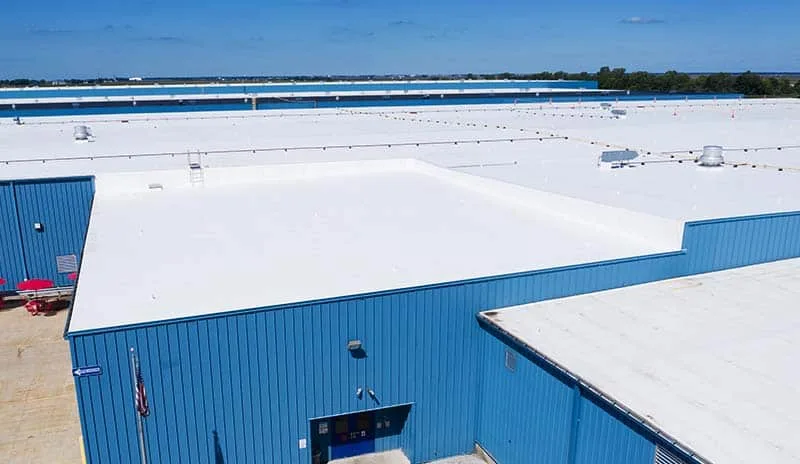
Most repair calls on this stretch of plain trace back to wind. A gust gets under an edge or a course that never sealed, lifts it, and every front after that has something to pull on. Because houses out here don't face each other across a narrow street, a stripped patch on a far slope can go unseen for months, until it announces itself as a stain on a bedroom ceiling or as tabs lying out in the grass.
The rest is mostly water finding a detail. Freeze-thaw swings at this elevation work flashing loose at chimneys, skylights and pipe boots, and the snow the wind piles into valleys and against walls melts in spring against those same weak points. The load lands on gutters and fascia too, which is why gutters that hung straight in November so often come out of a hard winter sagging.
- Leak tracing to the actual entry point, not just the stain below it
- Replacement of missing and wind-lifted shingles, fastened for wind and hand-sealed
- Flashing and pipe boot repair at chimneys, skylights and vents
- Gutter and fascia repair after drifted snow and ice have pulled them loose
- 24/7 emergency response and tarping when water is already inside
It starts on the phone. Tell us everything you've noticed, the stain, the flapping in the last windstorm, the daylight in the attic, and we'll plan the visit to deal with all of it in one trip. If water is actively coming in, that call goes to the emergency line and a tarp comes first, diagnosis second.
On the roof, the job is diagnosis before repair. A ceiling stain is rarely under the hole, because water runs along decking and rafters and drops somewhere else, so we trace it back to where it enters. Then we check the field around the damage, because a wind repair only holds if the courses beside it still have a live seal to tie into. Everything goes into a written finding with photographs, whether it turns out to be an hour's work or something bigger.
The repair itself is matched to the failure. New shingles get nailed to a wind-rated schedule and hand-sealed instead of being left for the sun to bond, since a repair made in the cold months up here can otherwise sit unsealed until spring. Flashing gets rebuilt as flashing, stepped and lapped into the courses, not smothered under a bead of caulk that buys one season.

When we say repair, and when we won't
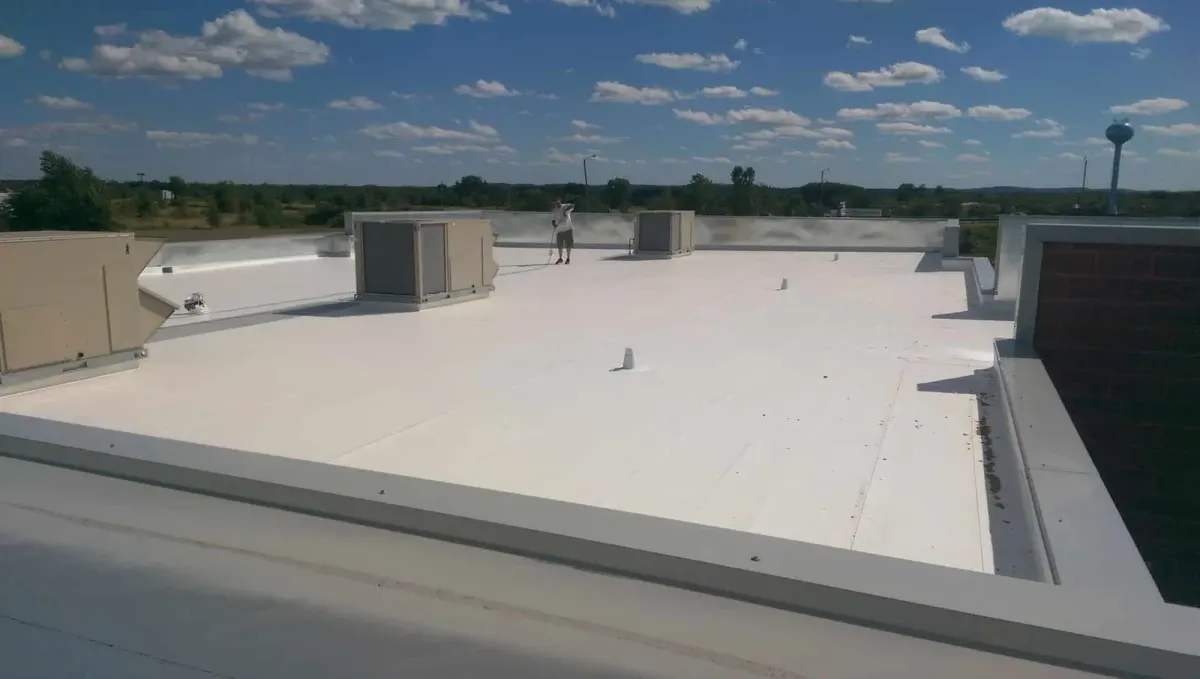
A repair is the right call when the failure is local. One edge the wind got into, a cracked pipe boot, flashing that separated at a chimney: the roof around the damage is sound, it holds the repair, and you buy real years for a small job. Most visits out here end exactly that way, and we're glad to do the work.
The honest exception is a roof where the failure has stopped being local. If the seal lines are dead across a slope, or the granules have worn thin enough that high-altitude sun is working on the mat itself, then patching this month's spot only schedules next month's. There's a point where each repair pays for time the roof no longer has, and when a roof reaches it we'll say so and show you the photographs that say why. If it hasn't, we'd sooner fix the one thing that's broken and leave the rest alone.
Roof repair around Peyton and the Front Range.
The same crew and materials in every town we serve. Start from your own town, or call (719) 600-7852 and skip the reading.
Roof Repair in Peyton: what homeowners ask
A windstorm took shingles off one slope. Do I need a whole new roof?
Not necessarily. If the surrounding courses still hold a live seal and the mat is in decent shape, replacing the missing shingles and hand-sealing the repair is a sound fix that lasts. If the seal strip has failed across the slope, the wind will simply choose a new spot next time, and we'd rather show you that in photographs than sell a patch we know won't hold.
Water is dripping through the ceiling right now. What should I do?
Call the emergency line, it answers around the clock. Move what you can, get a container under the drip, and if the drywall is bellying, a small hole at the low point lets the water out before the ceiling comes down on its own. We'll tarp the roof to stop the intake, then trace the leak properly once things have dried.
Why is the stain on my ceiling nowhere near the damage you found?
Because water travels before it drops. It gets in at a flashing gap or a bare patch, runs along the underside of the decking or down a rafter, and lets go at the first seam or fixture it reaches. Out here the source is often snowmelt from a drift banked behind a dormer or in a valley, a full room away from the stain. That's why we repair at the entry point instead of directly above the mark.
My gutters are sagging after this winter. Is that something you handle?
Yes. Wind-driven snow doesn't land evenly on an open site, and what slides and melts off the roof ends up in the gutter as ice the hangers were never sized to carry. We rehang or replace the gutter and fascia and anchor the new run for wind, and we look at the roof edge above it, because if ice builds there every winter the real fix involves more than new hangers.

Free inspections, honest estimates, and no-pressure guidance, from the first inspection to the final nail.