

Roof Repair in Falcon, CO
Roof repair in Falcon, CO: wind-lifted shingles, leaks and flashing failures on the open prairie northeast of Colorado Springs. Free inspection, 24/7 emergency line.
Roof trouble in Falcon rarely starts in the middle of a slope. It sits on open prairie roughly 800 feet above downtown Colorado Springs, wind crosses it with very little in the way, and the force lands hardest at the roof's perimeter. A creased tab at a rake edge, a ridge cap that lost its bond, a length of drip edge working loose. Most of the leaks we're called out to fix started at a point like that, small, then grew with every front that followed.
This page is about getting those problems fixed. The inspection is free and ends in a written finding with photographs, so you know exactly what's wrong before anyone talks about money. If water is already coming through, the emergency line answers around the clock, and we tarp first and plan the permanent repair in daylight.
We assess the damage, document what we find in writing, and tell you honestly whether it needs work.
Book a free inspection (719) 600-7852The failures Falcon's weather actually produces
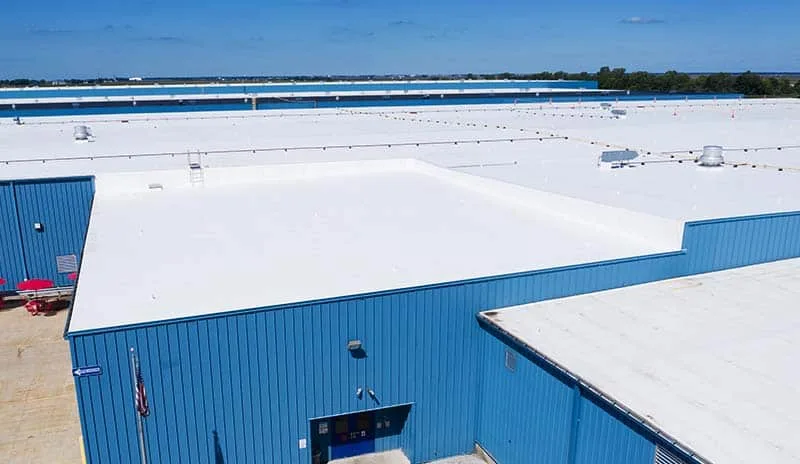
Wind is the usual culprit, and it's selective. It creases and lifts shingles along rakes, eaves and ridgelines, and a tab that has lost its seal flags in every gust until it tears away, taking the watertightness of its nail line with it. Because the damage sits at the edges, there is very little to see from the ground, which is why it tends to announce itself as a ceiling stain months later rather than from the driveway.
Freeze-thaw does the quieter work. Falcon can swing twenty or thirty degrees between a sunny afternoon and the night that follows, and every cycle flexes sealant, flashing and pipe boots a little further open. Add high-altitude sun drying the asphalt itself, and you get the standard repair list for this area: loosened chimney and vent flashing, cracked boots, brittle shingle edges, and gutters and fascia strained by ice at the eaves.
- Wind-lifted, creased and missing shingles replaced and sealed back down
- Leaks traced to their actual entry point, which is usually flashing rather than the shingle field
- Chimney, skylight and vent flashing rebuilt where freeze-thaw has worked it open
- Gutter, fascia and drip edge repairs after wind or a hard winter
- Emergency tarping, any hour, when water is already inside the house
It starts with a free inspection, and the inspection starts at the perimeter, because that's where roofs out here give up first. We walk the edges, the ridge, every penetration and every flashing detail, then the field, photographing as we go. The finding comes back to you in writing with the photos attached, and if the honest answer is that nothing needs doing yet, that's what it says.
The repair itself is matched to the cause, not the symptom. Patching the shingles below a stain without rebuilding the flashing above it buys a few months. So we open up enough to see what the water has been doing, check the decking underneath, and close the actual entry point before anything gets covered back over. If a storm has left the roof open tonight, we tarp tonight, and the permanent work gets scheduled once we can see what we're doing.

When we'll tell you to stop repairing
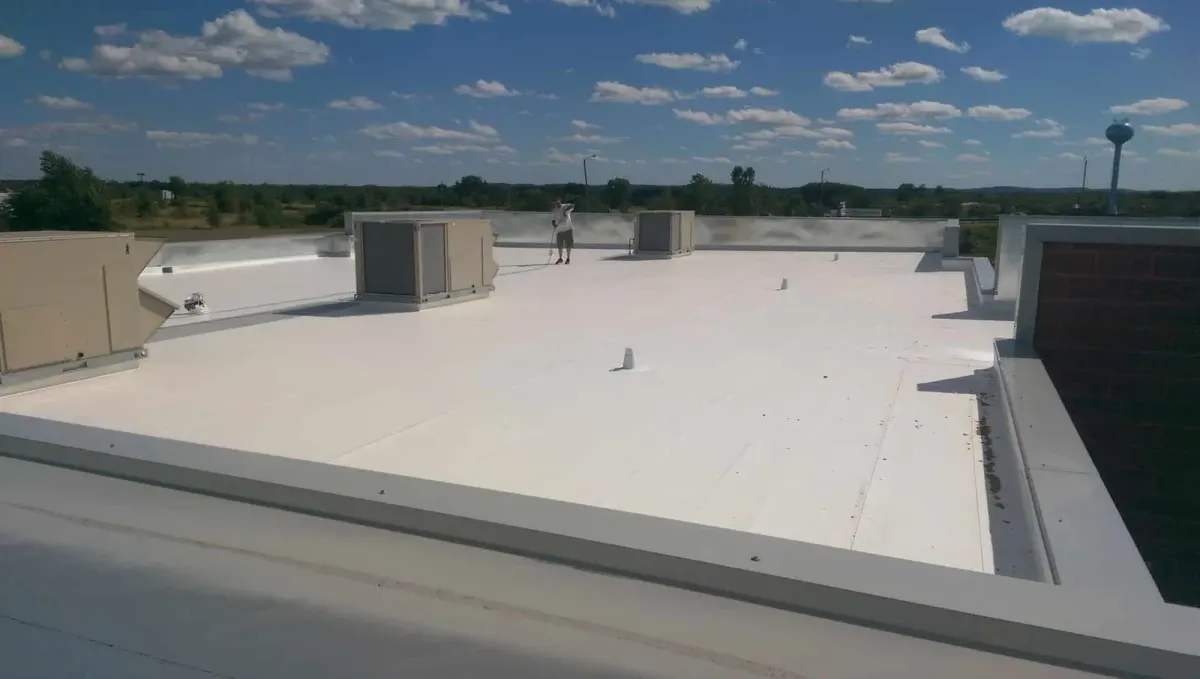
Falcon's subdivisions went up in blocks, so much of the area wears the same builder-grade shingle installed within a few seasons of the neighbors'. There's a point in that shingle's life where repairs stop holding: tabs crack when we lift them to work, the seal around the damage is already dead, and each fix disturbs more roof than it restores. Replacing three shingles on a roof like that is possible. It just isn't good advice.
The honest line runs roughly here. Isolated damage on a roof that's still flexible and holding its granules is a repair, and we'll make it without steering you toward anything bigger. Widespread granule loss, brittle tabs and fixes that keep coming back mean the money belongs in a replacement conversation instead, on your own calendar rather than in the scramble after the next storm. Either way, you get the reasoning in writing, not just the recommendation.
Roof repair around Falcon and the Front Range.
The same crew and materials in every town we serve. Start from your own town, or call (719) 600-7852 and skip the reading.
Roof Repair in Falcon: what homeowners ask
Shingles came off in last night's wind. Do I need someone out today?
It depends on what's exposed. If you can see dark underlayment or bare wood where the shingles were, water has a direct path in, and it's worth calling the emergency line so we can tarp it. If the course underneath is intact, the roof will usually hold for a few days, and a scheduled repair is cheaper and better done than a midnight one.
Can you match the shingles already on my roof?
Usually close, rarely perfect. Sun at this elevation fades a shingle, so even the identical product in the identical color reads slightly newer than what surrounds it. We match manufacturer, profile and color as closely as the market allows and place new material where it's least conspicuous when there's a choice. If the repair sits on a prominent slope, we'll tell you how visible it's likely to be before we start.
Why does my ceiling stain show up in late winter but not in summer rain?
That pattern usually points to ice rather than rain. Meltwater refreezing at the cold eave backs water up under the lower shingle courses, where a summer shower would have run straight off. The fix lives at the roof edge and in the attic, membrane at the eaves and heat kept out of the deck, not out in the field where the stain suggests.
Is one small problem worth a service call, or should I wait until more goes wrong?
Call now. A cracked pipe boot or a loose flashing corner is an hour of work while everything is dry, and a decking, insulation and drywall job once water has been running through it for a season. Waiting to bundle problems together almost always costs more than the second visit would have.

Free inspections, honest estimates, and no-pressure guidance, from the first inspection to the final nail.